
- PicWish Value: AI-powered background removal saves time for e-commerce and small businesses.
- Feature Focus: PicWish excels at fast, user-friendly background removal and batch processing.
- Limitations: PicWish lacks advanced editing, struggles with complex edges, and has free-tier watermarks.
- Comparison: UniConverter offers superior background removal quality and broader multimedia features than PicWish.
- Decision Factor: Choose PicWish for quick, affordable background removal; UniConverter for comprehensive, high-quality editing.
In this article
When I first started my small online shop, I quickly realized that high-quality product photos with clean, consistent backgrounds were non-negotiable. Manually removing backgrounds was a time sink I couldn't afford. That's when I stumbled upon PicWish, an AI-powered tool promising to simplify this tedious task. This PicWish review will dive deep into its capabilities, comparing it against other popular tools, and ultimately help you decide if it's the right fit for your needs. I'll share my personal experiences, highlight its strengths and weaknesses, and offer alternative solutions for different scenarios.
Part 1: What is PicWish?
PicWish is an AI-driven online photo editing tool primarily focused on background removal and basic image enhancements. It leverages artificial intelligence to automatically detect and isolate subjects from their backgrounds, aiming to provide a quick and efficient solution for various image editing needs. My initial impression was that it positioned itself as a go-to for anyone needing fast, clean cutouts without the steep learning curve of professional software. It felt like it was built for speed and accessibility, rather than intricate artistic control.
The Rise of AI Photo Editing Tools
The surge in AI photo editing tools like PicWish isn't just a trend; it's a response to genuine market demands.
* Democratizing Design: These tools make professional-looking edits accessible to everyone, not just those with graphic design skills.
* Time-Saving for Businesses: For small businesses and e-commerce sellers, time is money. Automating repetitive tasks like background removal frees up valuable resources.
* Meeting Visual Content Demands: In our visually-driven world, the need for high-quality images across social media, websites, and marketing materials is constant and growing.
Part 2: PicWish: Core Features, Pros, and Cons
From my experience, PicWish's core strength lies in its AI-powered background removal. It's surprisingly good at isolating subjects, even with somewhat complex edges. Beyond that, it offers some basic photo enhancements like color correction and resizing. I found myself using it mostly for its primary function, as the other features felt more like add-ons.
* AI Background Remover: This is the star of the show. It automatically detects subjects and removes backgrounds with impressive accuracy for most common objects.
* Basic Photo Enhancer: You can tweak brightness, contrast, and saturation, but don't expect Photoshop-level control.
* Image Resizer: Handy for quickly adjusting dimensions for different platforms.
* Object Remover: A decent tool for getting rid of unwanted elements, though it can struggle with intricate details.
* ID Photo Maker: A niche feature, but useful if you need to quickly generate passport-style photos.
- Pros:
- Highly efficient background removal for e-commerce product photos. It saved me hours.
- User-friendly interface, ideal for beginners. I picked it up in minutes.
- Batch processing capabilities for increased productivity. This was a game-changer for my product listings.
- Cons:
- Limited advanced editing features compared to professional software. If you need precise artistic control, look elsewhere.
- Occasional inaccuracies with complex background details. Sometimes, it leaves a halo or misses fine hairs.
Part 3: PicWish: Ideal Users and Use Cases
I've found PicWish to be a fantastic tool for specific scenarios, but it definitely has its limits. If you're running an online store or managing social media for a small business, it's a lifesaver. However, if you're a professional photographer or graphic designer, you'll likely find it lacking in the nuanced control you need.
- Best Use Case: Small business owners and e-commerce sellers needing quick, high-quality product image background removal. For my online shop, it's perfect for getting product shots ready for listing without spending a fortune on a designer or hours on manual editing.
- Limited Use Case: Professional photographers requiring precise, artistic photo manipulation and advanced retouching. I wouldn't recommend it for high-end portrait retouching or complex composite images where every pixel matters.
Part 4: PicWish and Alternatives Comparison
When I was looking for a background remover, I didn't just stop at PicWish. I tried a few others to see how they stacked up. Here’s a comparison of PicWish against some of its notable competitors, including UniConverter, Remove.bg, and Canva, focusing on aspects that matter most to me.
| Feature/Scenario | PicWish | UniConverter | Remove.bg | Canva |
| Background Removal Speed | Fast | Fast | Very Fast | Moderate |
| Output Quality (Complex Edges) | Good | Excellent | Good | Good |
| Batch Processing | Yes | Yes | Yes | No (limited) |
| Price (Subscription) | Affordable | Moderate | Premium | Moderate |
| Advanced Editing Tools | Limited | Moderate | Very Limited | Extensive |
PicWish shines in its affordability and batch processing for quick e-commerce needs. Remove.bg is incredibly fast, often with slightly better initial edge detection, but it's more expensive for high-volume use. Canva offers a broader suite of design tools, but its background removal isn't as specialized or fast as PicWish's. UniConverter, on the other hand, offers a robust all-in-one solution with excellent background removal quality, especially for more complex images, and it integrates well with other multimedia tasks. If you're looking for a dedicated background remover that's budget-friendly and efficient for product images, PicWish is a strong contender. However, if you need a more comprehensive toolkit with superior output quality and broader multimedia capabilities, UniConverter definitely stands out.
Part 5: Risks and Pitfalls to Consider
While PicWish offers a lot of convenience, I've learned there are some potential downsides, especially if you rely on it heavily or use the free tier. It's important to be aware of these before committing.
Data Privacy Concerns
Like any cloud-based tool, I always worry about my data. When I upload images to PicWish, I'm essentially trusting them with my visual assets. While they have privacy policies, it's always a good idea to be cautious, especially with sensitive or proprietary images. I try not to upload anything too personal or confidential.
Potential for Watermarks on Free Tier
One of the biggest frustrations with many "free" tools, and PicWish is no exception, is the watermark. If you're using the free version, expect your downloaded images to have a watermark, which is a non-starter for professional use. It forces you to upgrade to a paid plan if you want clean images.
Quality Limitations for High-Resolution Prints
While PicWish is great for web images, I've found its output quality can sometimes fall short for high-resolution prints. The AI might occasionally leave subtle artifacts or slightly jagged edges that aren't noticeable on a screen but become apparent when printed large. If you're preparing images for print, I'd recommend double-checking the results very carefully.
Dependency on Internet Connection
Since PicWish is an online tool, a stable internet connection is a must. I've had moments where my internet was spotty, and it completely halted my workflow. This can be a significant drawback if you often work offline or in areas with unreliable connectivity.
In-App Advertisements
While not overly intrusive, I did notice occasional in-app advertisements or prompts to upgrade, especially when using the free version. It's a minor annoyance, but it can interrupt the flow of work.
Part 6: How to Use UniConverter to Efficiently Replace Image Backgrounds
Sometimes, PicWish's limitations, like occasional edge inaccuracies or the lack of advanced features, can be a hurdle. If you're looking for a more robust solution that offers superior background replacement, supports various formats, and provides a stable, ad-free experience with GPU acceleration, UniConverter is an excellent alternative. It's an all-in-one multimedia toolkit that handles image editing with professional precision, making it my go-to for more demanding tasks. It ensures high-quality output without watermarks and supports batch processing for efficiency, including the ability to remove background without losing quality. For those interested in advanced functionalities, UniConverter also offers features like high-definition background remover and even SVG background remover.
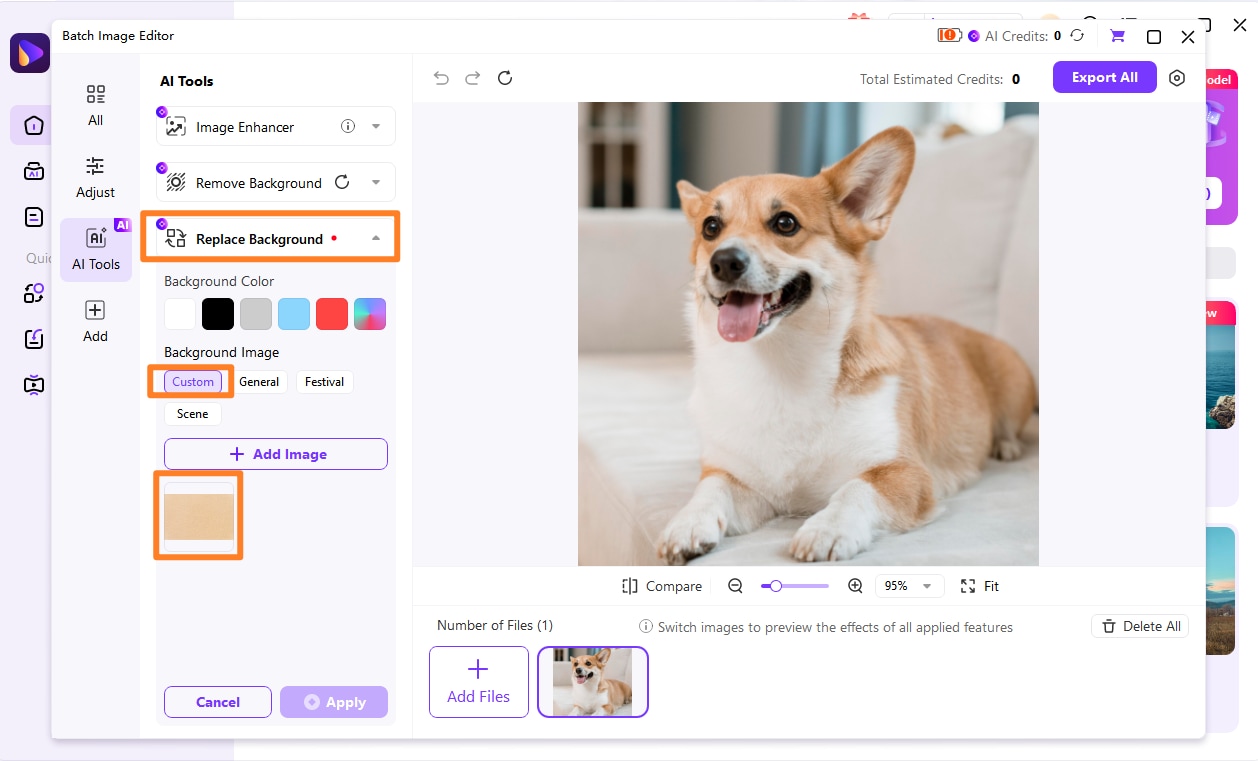
Step 1: Open UniConverter and Choose Background Replacer
Launch UniConverter and navigate to the "Toolbox" section. Select the "Background Replacer" feature.
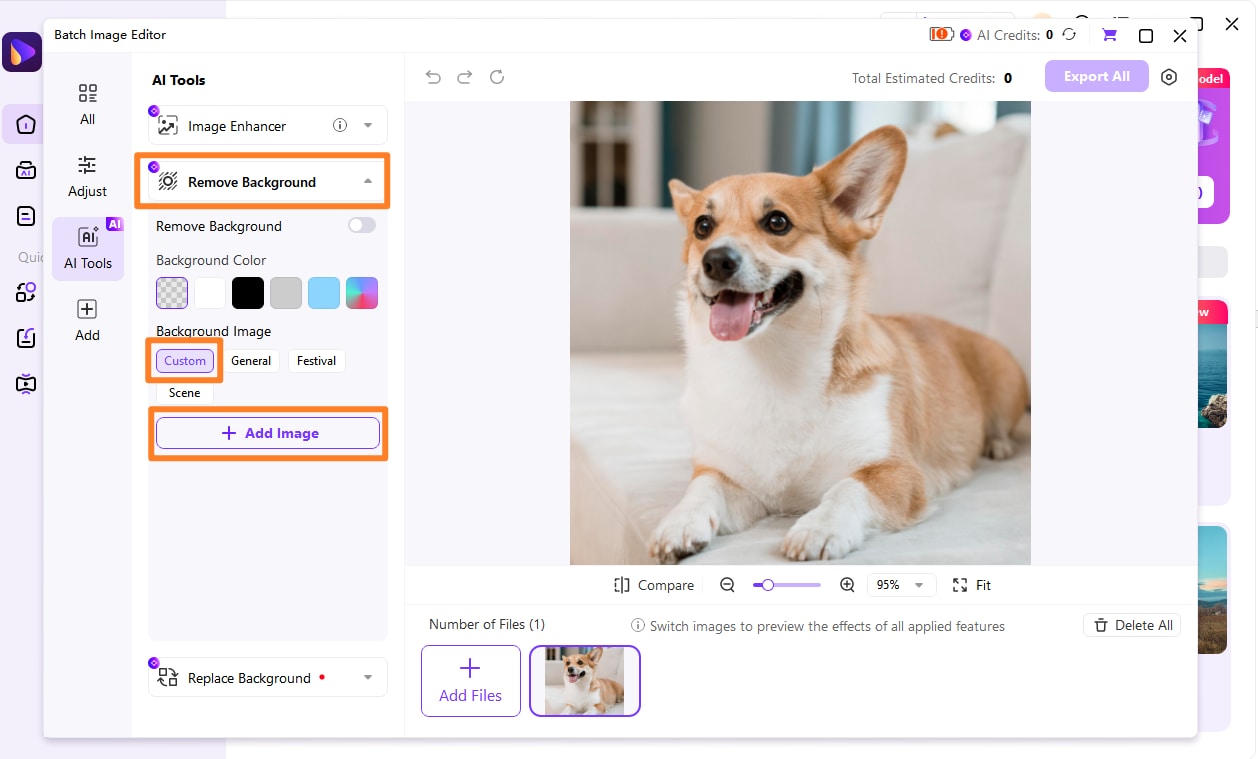
Step 2: Upload the Images
Drag and drop your images into the designated area or click "Add Files" to import them.
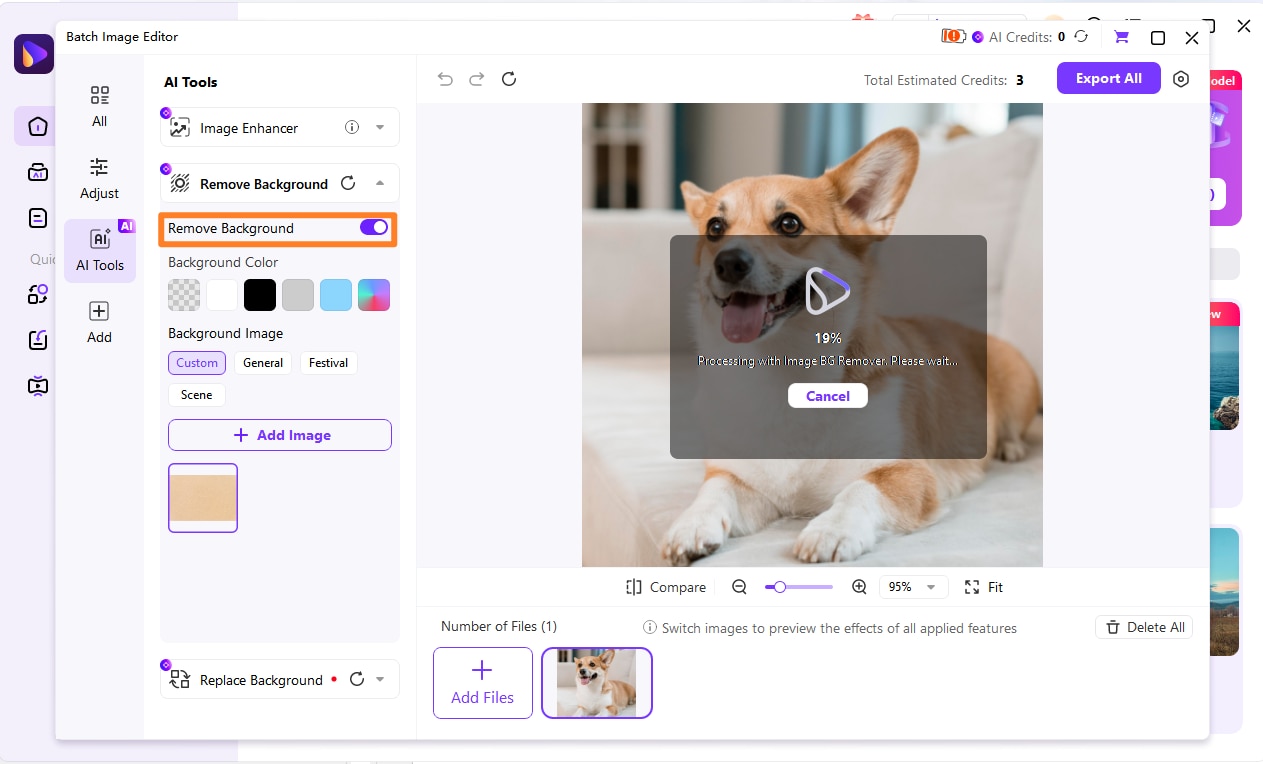
Step 3: Preview and Export Images
UniConverter's AI will automatically remove the backgrounds. You can preview the results and make minor adjustments if needed.
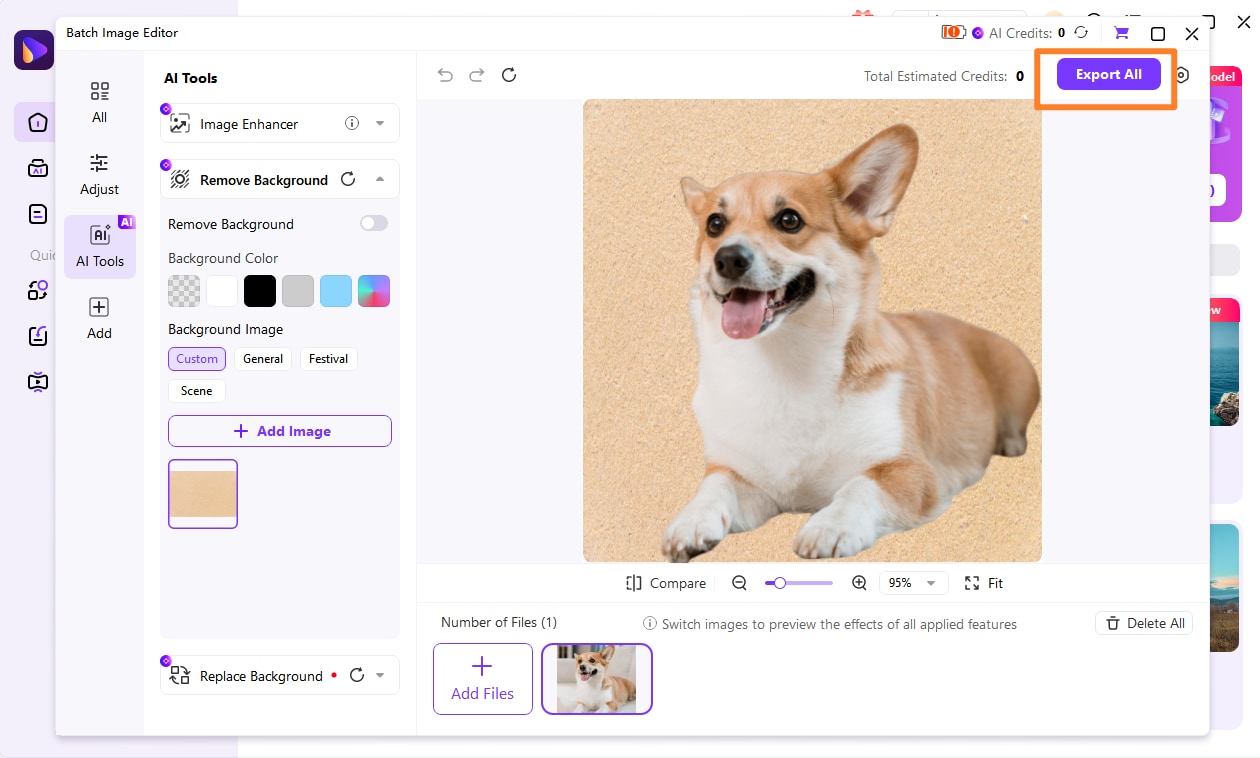
Step 4: Export Your Edited Images in Desired Format
Once satisfied, choose your desired output format and click "Export" to save your images.

Seeking a PicWish Alternative for Image Editing?
Part 7: Conclusion
After spending considerable time with PicWish review and its alternatives, my final thoughts are clear. For anyone running an e-commerce store or managing social media who needs quick, clean background removal for product images, PicWish is a fantastic, affordable tool. Its ease of use and batch processing capabilities make it incredibly efficient for high-volume, repetitive tasks. However, if your needs extend to professional-grade photo editing, artistic manipulation, or require absolute pixel-perfect precision for high-resolution prints, you'll quickly hit its limitations. In such cases, dedicated professional software is indispensable. For those seeking a versatile, all-in-one multimedia solution that includes robust image editing, superior background removal quality, and a broader range of features without the common pitfalls of online tools, UniConverter stands out as a more comprehensive and reliable choice. Ultimately, the best tool depends entirely on your specific workflow, quality expectations, and budget.
Part 8: FAQs
-
1. **Is PicWish completely free to use?**
PicWish offers a free tier with limited features and typically watermarks on downloaded images. To unlock full functionality, batch processing, and watermark-free downloads, you'll need to subscribe to a paid plan.
-
2. **How accurate is PicWish's background removal?**
For most common objects and simple backgrounds, PicWish's AI background removal is quite accurate. However, it can occasionally struggle with very complex edges, fine details like hair, or objects that blend too closely with the background, sometimes leaving minor artifacts.
-
3. **Can PicWish handle batch processing of images?**
Yes, PicWish supports batch processing, which is one of its major advantages, especially for e-commerce sellers who need to process multiple product images quickly. This feature is usually available with a paid subscription.
-
4. **What are the main differences between PicWish and UniConverter?**
PicWish is primarily an online, AI-focused tool for quick background removal and basic edits. UniConverter is a desktop-based, all-in-one multimedia toolkit that offers more extensive features, including advanced image editing (like superior background removal), video conversion, and other media management tools, often with better output quality and offline capability.
-
5. **Is PicWish suitable for professional photographers?**
While PicWish can be a handy tool for quick preliminary edits or specific tasks like background removal for social media, it is generally not suitable as a primary tool for professional photographers who require precise control, advanced retouching capabilities, and high-fidelity output for client work or large prints. They would typically opt for software like Adobe Photoshop.
