
- Value: PicMonkey offers user-friendly photo editing and graphic design for quick, visually appealing content.
- Comparison: It's ideal for small businesses and social media, but lacks advanced features of professional tools like Photoshop.
- Decision: Consider PicMonkey for accessible design; for precise tasks like background removal, UniConverter offers superior quality.
- Pitfalls: Be aware of subscription costs, potential for generic designs, and performance limits with large files.
In this article
- Part 1: What is PicMonkey?
- Part 2: PicMonkey: Core Features, Pros, and Cons
- Part 3: PicMonkey: Ideal Users and Use Cases
- Part 4: PicMonkey and Alternatives Comparison
- Part 5: Risks and Pitfalls to Consider
- Part 6: How to Use UniConverter to Efficiently Replace Image Backgrounds
- Part 7: Conclusion
- Part 8: FAQs
When I first dabbled in online image editing, PicMonkey review was one of the first names that popped up. It promised an easy way to spruce up photos and create eye-catching graphics without needing a design degree. This PicMonkey review aims to cut through the marketing hype and give you a real-world perspective on its strengths, weaknesses, and how it stacks up against its competitors. If you're looking to understand where PicMonkey fits in the vast landscape of creative tools and whether it's the right fit for your needs, you've come to the right place. I'll share my experiences, highlight its best uses, and even point you towards some compelling alternatives.
Part 1: What is PicMonkey?
PicMonkey is an online photo editing and graphic design tool that has carved out a significant niche for itself, particularly among those who aren't professional designers but still need to create visually appealing content. It emerged as a user-friendly alternative to more complex software, aiming to democratize design. My initial impression was that it was a simplified Photoshop, and in many ways, it delivers on that promise for basic tasks.
It's designed for quick, efficient visual content creation, making it a go-to for many. This review will delve into its capabilities, comparing it with other popular tools to help you decide if it’s the right fit for your creative workflow.
The Evolving Landscape of Online Design Tools
The demand for accessible design tools has skyrocketed, driven by:
* The rise of social media: Everyone needs engaging visuals to stand out.
* The growth of small businesses: Budget-conscious entrepreneurs need professional-looking marketing materials.
* The creator economy: Bloggers, YouTubers, and influencers constantly require fresh, high-quality graphics.
Part 2: PicMonkey: Core Features, Pros, and Cons
From my experience, PicMonkey's core strength lies in its accessibility and a surprisingly robust set of features for an online editor. It offers a good balance of photo editing capabilities and graphic design elements. I found myself using it for everything from cropping and color correction to adding text overlays and creating collages. The interface is clean, making it easy to jump in without much of a learning curve.
Core Features:
* Photo Editing: Basic adjustments like exposure, colors, and sharpness, plus touch-up tools.
* Graphic Design: Templates for social media, banners, and invitations.
* Effects and Filters: A wide array of artistic filters and effects to transform images.
* Text and Fonts: Extensive font library with customizable text styles.
* Collage Maker: Easy-to-use tool for combining multiple photos into a single layout.
Pros:
* Intuitive User Interface for Beginners: I was up and running in minutes, which is a huge plus if you're not tech-savvy.
* Robust Template Library for Quick Designs: For social media posts or quick flyers, the templates are a lifesaver.
* Integrated Stock Photo and Graphic Assets: No need to hunt for external resources; many are built right in.
Cons:
* Subscription-Based Model Can Be Costly for Casual Users: If you only need it occasionally, the monthly fee can feel a bit steep.
* Limited Advanced Editing Capabilities Compared to Professional Tools: Don't expect Photoshop-level precision or complex layer management.
Part 3: PicMonkey: Ideal Users and Use Cases
PicMonkey, in my honest opinion, shines brightest for specific user groups and scenarios. It's not a one-size-fits-all solution, and understanding its sweet spot is crucial before committing. I've found it incredibly useful for certain tasks, but for others, it just doesn't cut it.
Best-Fit Scenario: Social Media Content Creation for Small Businesses
If you're a small business owner or a social media manager, PicMonkey is a fantastic tool. I've personally used it to create countless Instagram stories, Facebook banners, and Pinterest pins. The template library is a goldmine, allowing me to whip up professional-looking graphics in minutes, even on a tight deadline. The integrated stock photos and graphics mean I don't have to spend extra time sourcing assets, which is a huge time-saver when you're juggling multiple hats. It's perfect for quick, visually appealing content that doesn't require deep photo manipulation.
Limited-Fit Scenario: High-Volume, Professional Photo Retouching
However, if your primary need is high-volume, professional photo retouching – think wedding photography or product photography for an e-commerce giant – PicMonkey will quickly hit its limits. I tried using it for some more intricate portrait retouching once, and the lack of advanced masking, precise color grading, and non-destructive editing layers made the process frustrating and the results subpar compared to what I could achieve with dedicated software. It's simply not built for that level of detail and control.
Part 4: PicMonkey and Alternatives Comparison
When I look at PicMonkey, I always compare it to what else is out there, because honestly, no single tool does everything perfectly. Here’s how it stacks up against some popular alternatives based on my hands-on experience.
| Feature/Aspect | PicMonkey | Canva | Adobe Express | GIMP |
| Ease of Use | High | Very High | High | Moderate |
| Template Variety | High | Very High | High | Low |
| Advanced Editing | Moderate | Low | Moderate | Very High |
| Pricing Model | Subscription | Freemium | Freemium | Free |
| Target Audience | Casual/Small Biz | Casual/Small Biz | Casual/Small Biz | Pro/Hobbyist |
Key Differentiators: PicMonkey's Niche in User-Friendly Design vs. Competitors' Strengths
From my perspective, PicMonkey really carves out its niche by offering a slightly more robust photo editing suite than Canva, while still maintaining that user-friendly interface. Canva, with its massive template library and incredibly intuitive drag-and-drop functionality, often feels like the absolute easiest entry point for graphic design. Adobe Express is a strong contender, especially if you're already in the Adobe ecosystem, offering a good balance of design and basic photo editing, often with a more polished feel. GIMP, on the other hand, is a beast. It's free and incredibly powerful, almost on par with Photoshop for advanced editing, but the learning curve is steep. If you're just looking to quickly enhance a photo and add some text for social media, PicMonkey or Canva are your best bets. If you need serious image manipulation and don't mind a challenge, GIMP is the way to go.
Part 5: Risks and Pitfalls to Consider
Using any cloud-based tool, including PicMonkey, comes with its own set of considerations that I've learned to be wary of. It's not just about features; it's about the broader implications of how you use the service.
Data Privacy Concerns with Cloud-Based Editing
This is a big one for me. When I upload my photos to PicMonkey, they're stored on their servers. While they have privacy policies, I always wonder about the security of my personal or client data. For sensitive projects, I'm much more hesitant to use cloud-based editors, preferring desktop software where my files stay local. It's a trade-off for convenience, but one I weigh carefully.
Potential for Over-Reliance on Templates Limiting Originality
I've seen this happen too often. The templates in PicMonkey are fantastic for speed, but if you rely on them too heavily, your designs can start looking generic. It's easy to fall into the trap of just swapping out text and images, leading to a lack of unique branding. I always try to use templates as a starting point, not the final destination, to ensure my work stands out.
Performance Issues with Large Files or Complex Projects
While PicMonkey is generally smooth, I've definitely hit performance bottlenecks when working with high-resolution images or projects with many layers and effects. The browser can become sluggish, and saving can take longer than expected. This can be frustrating, especially when you're on a deadline. It reminds me that online tools have their limitations compared to dedicated desktop applications.
Subscription Auto-Renewal and Cancellation Policies
Like many subscription services, PicMonkey has auto-renewal. I've had experiences where I forgot to cancel a trial or a subscription I no longer needed, only to be charged for another month or year. Always check their cancellation policy and set reminders if you're not planning long-term use. It's a common pitfall that can lead to unexpected expenses.
Output Quality Limitations for Print-Ready Designs
For web use, PicMonkey's output is generally fine. However, if I need something for professional printing – like a large poster or a high-quality brochure – I often find the resolution or color depth isn't quite up to par. The compression algorithms or export options might not be as robust as those in professional desktop software, leading to less crisp results when printed at scale.
Part 6: How to Use UniConverter to Efficiently Replace Image Backgrounds
Sometimes, despite the convenience of tools like PicMonkey, you run into situations where they just don't cut it for specific tasks, especially when it comes to precise image background replacement. I've found that some online tools struggle with batch processing, produce blurry exports, or leave jagged edges when replacing backgrounds. This is where a dedicated tool like UniConverter truly shines, offering a robust and reliable solution. It's my go-to when I need a consistent, high-quality result without the hassle of ads, watermarks, or performance issues. UniConverter leverages GPU acceleration for speed and ensures lossless quality, making it an all-in-one ultimate solution for various media needs, including seamless batch background removal. For those looking to remove background without losing quality, this feature is particularly beneficial. It also offers a powerful video background changer for dynamic content.
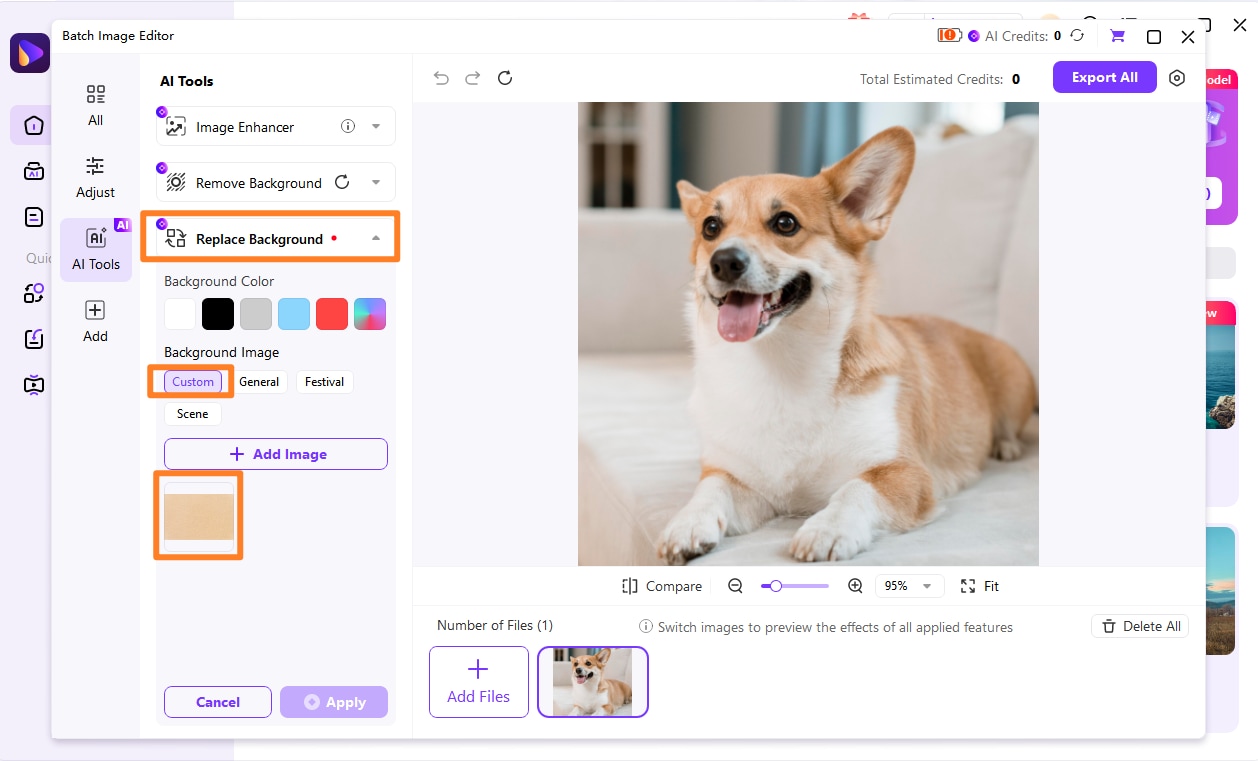
Step 1: Open UniConverter and Choose Background Replacer
First, I launch UniConverter on my desktop. On the main interface, I navigate to the 'Toolbox' section and select the 'Background Replacer' option. It's usually pretty easy to spot, especially if you're looking for a high-definition background remover.
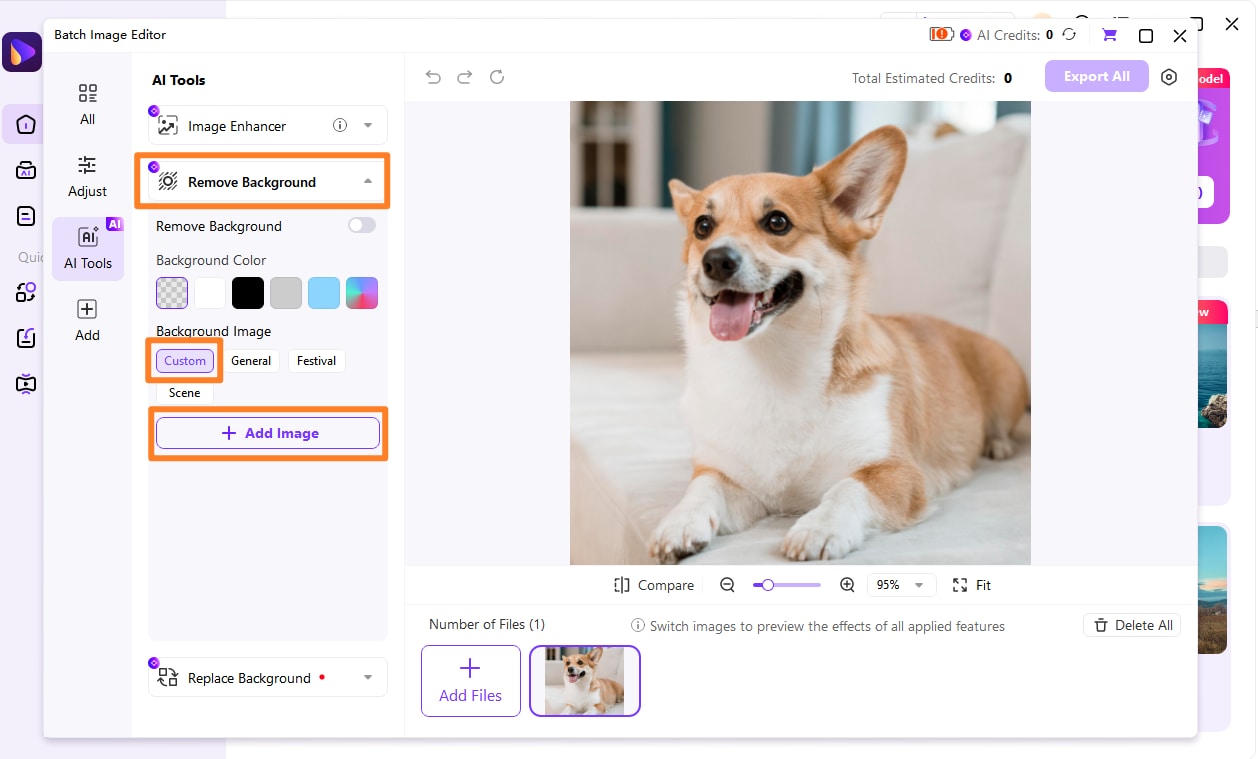
Step 2: Upload the Images
Next, I simply drag and drop the images I want to process into the designated area. UniConverter supports batch processing, which is a huge time-saver when I have multiple photos. This makes it an ideal background replacer for efficiency.
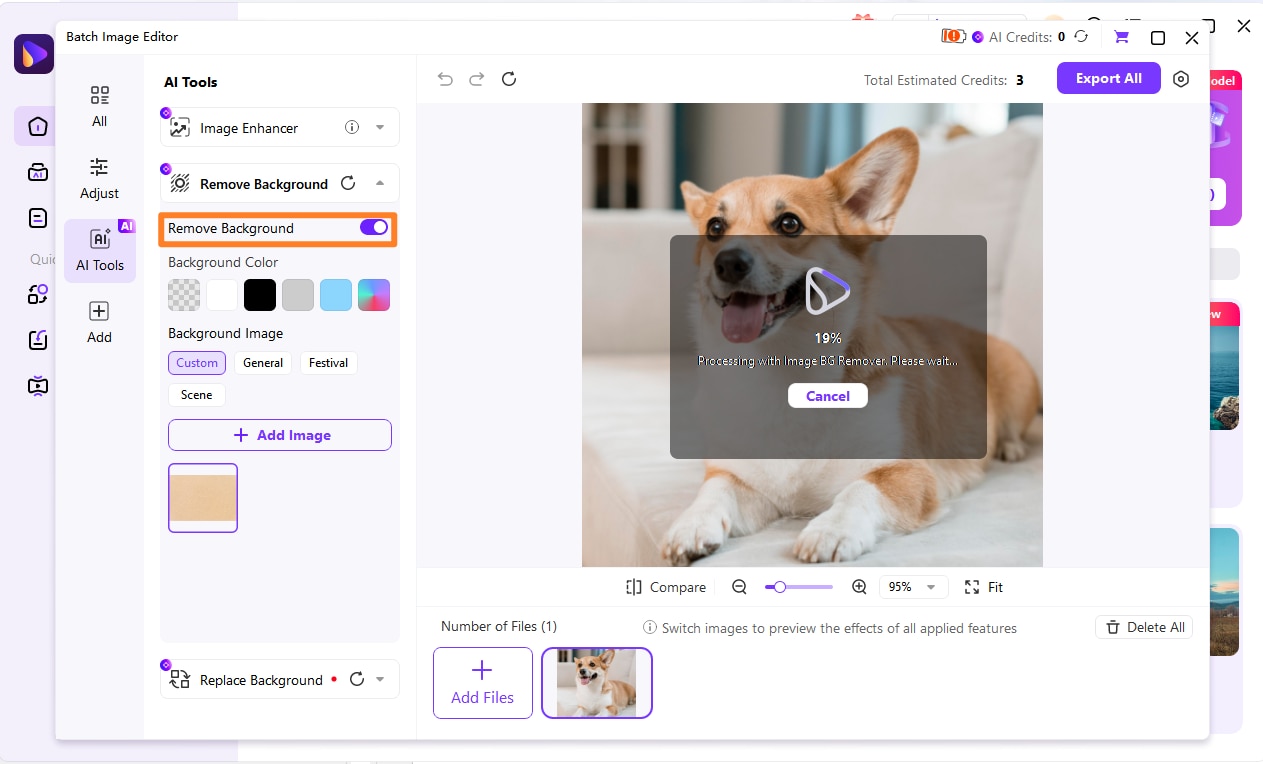
Step 3: Click to Preview Images
After uploading, UniConverter quickly processes the images. I can then click on each image to preview the background replacement. This allows me to check the edges and ensure the result is exactly what I'm looking for.
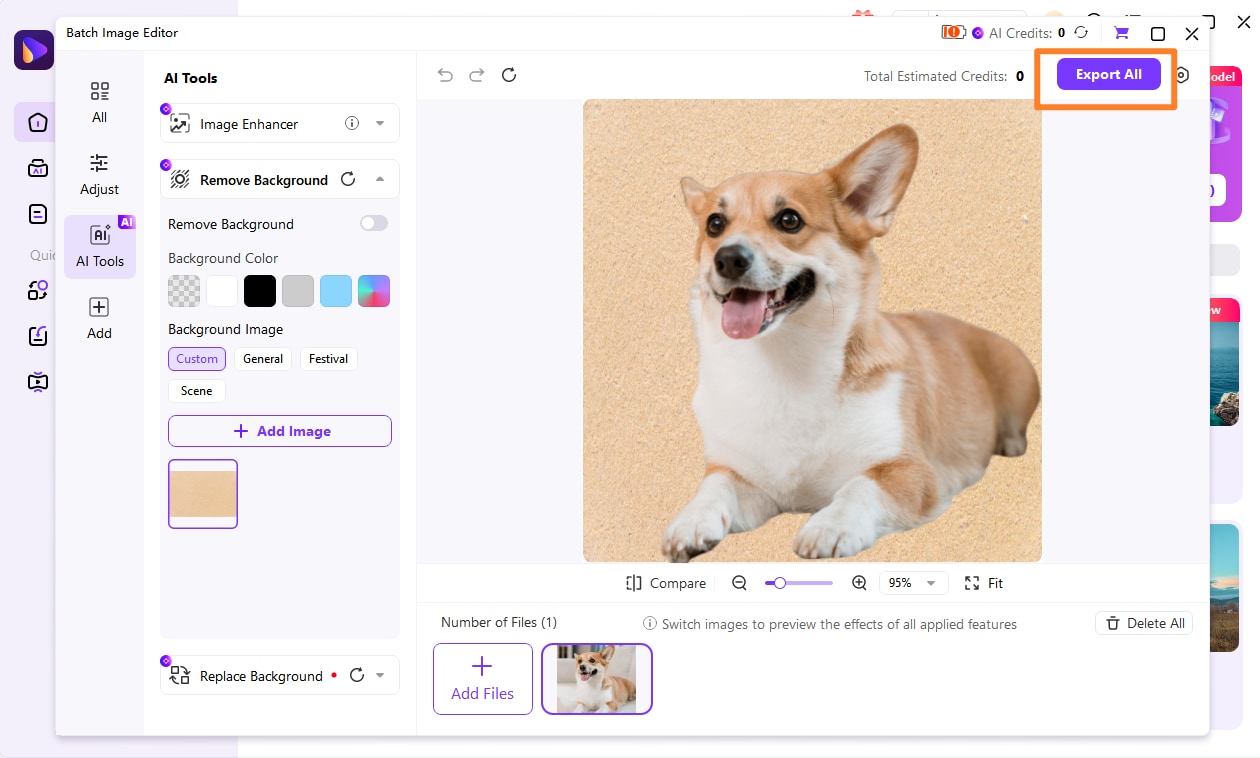
Step 4: Preview and Export Images
Once I'm satisfied with the preview, I select my desired output format and destination folder. Then, I hit the 'Export' button, and UniConverter efficiently saves all the processed images with their new backgrounds.

Seeking a Powerful PicMonkey Alternative?
Part 7: Conclusion
After spending considerable time with PicMonkey and its alternatives, my PicMonkey review boils down to this: it's a fantastic tool for specific users and use cases, but it's not a universal solution. For social media managers and bloggers, PicMonkey offers an excellent balance of ease of use, a rich template library, and integrated assets, making content creation quick and visually appealing. Small business owners with limited design skills will also find it incredibly empowering, allowing them to create professional-looking marketing materials without hiring a designer. For users seeking a balance of features and affordability, PicMonkey's subscription model, while not free, provides significant value for its capabilities. However, when your needs extend to professional-grade photo retouching, complex graphic design, or high-volume, precise background removal, that's when you should consider more professional software like Adobe Photoshop or even a specialized tool like UniConverter for specific tasks. PicMonkey excels at making design accessible, but its limitations become apparent when precision and advanced functionalities are paramount.
Part 8: FAQs
-
1. Is PicMonkey suitable for professional photographers?
PicMonkey is generally not recommended for professional photographers due to its limited advanced editing capabilities. It's more geared towards quick edits and graphic design for social media or marketing.
-
2. Can I use PicMonkey for free?
PicMonkey offers a free trial, but it is primarily a subscription-based service. After the trial, you'll need to subscribe to continue using its features.
-
3. How does PicMonkey compare to Canva for social media graphics?
Both PicMonkey and Canva are excellent for social media graphics. Canva often has a slightly larger template library and a more robust free tier, while PicMonkey offers a bit more in terms of photo editing tools within its subscription.
-
4. What are the main differences between PicMonkey and Adobe Photoshop?
PicMonkey is a user-friendly, web-based tool for basic photo editing and graphic design. Adobe Photoshop is a professional-grade desktop software with extensive, advanced features for complex image manipulation and retouching.
-
5. Is my data safe with PicMonkey?
PicMonkey, like most cloud-based services, employs security measures to protect user data. However, users should always review the privacy policy and be mindful of the type of information they upload to any online platform.
