
- Magic Eraser Overview: AI-powered tool for easy object removal, ideal for quick, simple photo clean-ups.
- Core Features: Intuitive brush, AI inpainting, web-based access. Batch processing and high-res output are premium.
- Ideal Use: Best for quick social media edits; struggles with complex backgrounds or large object removal.
- Comparison: Faster and simpler than Photoshop; UniConverter offers a better balance of quality and ease.
- Considerations: Be aware of data privacy, potential image degradation, and subscription model limitations.
- UniConverter Advantage: Offers advanced, high-quality object removal with batch processing and robust features.
- Decision Point: Choose Magic Eraser for quick, casual edits; UniConverter or Photoshop for professional, precise results.
In this article
- Part 1: What is Magic Eraser by Magic Studio?
- Part 2: Magic Eraser by Magic Studio: Core Features, Pros, and Cons
- Part 3: Who Benefits Most from Magic Eraser? Ideal and Limited Scenarios
- Part 4: Magic Eraser vs. Competitors: A Head-to-Head Comparison
- Part 5: Potential Pitfalls and Considerations When Using Object Removers
- Part 6: How to Use UniConverter for Advanced Image Editing
- Part 7: Final Verdict and Recommendations
- Part 8: FAQs
Magic Eraser by Magic Studio: A Comprehensive Scenario-Based Review
When I first stumbled upon Magic Eraser by Magic Studio, I was intrigued. As someone who frequently edits photos for social media and personal projects, the promise of effortlessly removing unwanted objects sounded like a dream. This tool, leveraging the power of AI, aims to simplify a task that traditionally required a good grasp of complex software. In this review, I'll dive deep into its capabilities, comparing it with other popular options, and sharing my honest experience to help you decide if it’s the right fit for your photo editing needs.
Part 1: What is Magic Eraser by Magic Studio?
Magic Eraser by Magic Studio is an AI-powered online tool designed to remove unwanted objects, text, or blemishes from images with remarkable ease. It's built on the premise that not everyone has the time or expertise to master professional photo editing software like Photoshop. My initial thought was, "Could it really be that simple?" The tool positions itself as a quick, accessible solution for anyone looking to clean up their photos without a steep learning curve. This review aims to address whether it lives up to that promise, especially when faced with real-world editing challenges.
The Rise of AI Object Removal Tools
The demand for quick and effective image clean-up has surged, driven by:
* The explosion of visual content: Everyone from casual users to small businesses needs polished images.
* The desire for instant gratification: Traditional editing is time-consuming.
* Accessibility for non-professionals: Complex software can be intimidating.
Part 2: Magic Eraser by Magic Studio: Core Features, Pros, and Cons
From my experience, Magic Eraser's core ability lies in its straightforward approach to object removal. You upload an image, brush over the unwanted element, and let the AI do its magic. It's surprisingly effective for many common scenarios, filling in the removed area with contextually relevant pixels. I found its speed particularly impressive for minor touch-ups.
Core Features:
* Intuitive Brush Tool: Simple to select areas for removal.
* AI-Powered Inpainting: Automatically fills in removed areas.
* Web-Based Platform: Accessible from any device with an internet connection.
* Batch Processing (Premium): For handling multiple images efficiently.
* High-Resolution Output (Premium): Maintains image quality after editing.
Pros
* Intuitive User Interface for Quick Edits: I genuinely appreciate how easy it is to pick up and use. No tutorials needed.
* Effective Removal of Small to Medium Objects: For stray hairs, power lines, or small photobombers, it works wonders.
* Web-Based Accessibility Across Devices: I've used it on my laptop and phone, which is incredibly convenient.
Cons
* Limited Control for Complex Backgrounds: When the background is intricate, the AI sometimes struggles to create a seamless fill.
* Potential for Artifacts with Large Object Removal: Removing a big object often leaves noticeable smudges or unnatural textures.
Part 3: Who Benefits Most from Magic Eraser? Ideal and Limited Scenarios
Based on my usage, Magic Eraser shines brightest for individuals who need quick, no-fuss photo clean-ups. If you're not a professional editor but want your photos to look better, this tool is definitely for you. I've found it invaluable for improving my casual shots before sharing them.
Best Use Case: Quick Social Media Photo Cleanup
Imagine you've taken a perfect selfie, but there's a distracting trash can in the background. Or you're at a beautiful scenic spot, and a random person walks into your shot. For these kinds of situations, Magic Eraser is a lifesaver. I can quickly upload the photo, brush over the unwanted element, and have a clean image ready for Instagram in seconds. It’s perfect for those spontaneous moments when perfection isn’t the goal, but improvement is desired.
Limited Scenario: Professional Product Photography Editing
However, if you're a professional photographer editing product shots where precision and flawless backgrounds are paramount, Magic Eraser might fall short. I tried using it to remove a stand from a product photo, and while it did the job, the resulting background wasn't perfectly smooth or consistent. For high-stakes commercial work, the subtle imperfections it sometimes leaves behind are simply not acceptable. You'll need more granular control than Magic Eraser offers.
Part 4: Magic Eraser vs. Competitors: A Head-to-Head Comparison
When I look at Magic Eraser alongside its rivals, I see a clear trade-off between speed and precision. Here’s how it stacks up against some popular alternatives:
| Feature/Tool | Magic Eraser | Adobe Photoshop | Remove.bg | UniConverter |
| Processing Speed | Fast | Moderate | Very Fast | Fast |
| Output Quality | Moderate | High | Moderate | High |
| Ease of Use | High | Moderate | High | High |
| Customer Support | Email/FAQ | Extensive | Email/FAQ | Extensive |
| Security | Standard | High | Standard | High |
Magic Eraser excels in ease of use and speed for simple tasks, making it great for quick edits. Remove.bg is incredibly fast for background removal, but not object removal. Photoshop, while offering unparalleled precision and quality, demands a significant learning curve and is much slower for simple tasks. UniConverter, on the other hand, strikes a good balance, offering high-quality results with a user-friendly interface, especially for more complex image editing needs beyond simple object removal. For me, if I need something done quickly and it's not too complex, Magic Eraser is my go-to. But for anything requiring serious quality, I look elsewhere.
Key Differentiators: Speed vs. Precision
Magic Eraser's main differentiator is its focus on speed and simplicity for basic object removal. It's designed for quick fixes. Photoshop, conversely, prioritizes precision and control, offering a vast array of tools for professional-grade edits. Remove.bg is all about instant background removal, a different niche. UniConverter stands out by offering a comprehensive suite of tools, including advanced object removal, without sacrificing ease of use or output quality, making it a strong contender for those who need more than just a quick erase.
Part 5: Potential Pitfalls and Considerations When Using Object Removers
While AI object removers like Magic Eraser are incredibly convenient, I've learned that they come with their own set of potential issues. It's important to be aware of these before relying too heavily on them for critical edits.
Data Privacy Concerns
This is a big one for me. When I upload my photos to an online tool like Magic Eraser, I'm essentially handing over my personal images to a third-party server. While most reputable services claim to delete images after processing, I always wonder about the extent of their data retention policies and how my data might be used. For sensitive or private photos, I'm always hesitant to use cloud-based tools. It's crucial to read their privacy policies carefully, which I admit, I don't always do as thoroughly as I should.
Image Quality Degradation
I've noticed that while Magic Eraser is good for small objects, removing larger elements can sometimes lead to a noticeable drop in image quality. The AI tries its best to fill in the gaps, but the reconstructed areas can look blurry, pixelated, or simply unnatural. It's not always a seamless blend, especially if the background texture is complex or repetitive. This can be frustrating when I'm aiming for a crisp, clean image.
Subscription Model Traps
Many of these tools, including Magic Eraser, operate on a freemium model. The free tier often comes with limitations – lower resolution exports, watermarks, or a limited number of edits. To unlock the full potential, a subscription is usually required. I've found myself in situations where I needed just one more edit, but the free tier wouldn't allow it, pushing me towards a subscription I didn't really want. It's easy to get caught in a cycle of paying for features you only occasionally use.
Over-reliance on AI for Critical Edits
While AI is powerful, it's not infallible. I've seen instances where the AI misinterprets parts of an image, leading to unexpected or undesirable results. Relying solely on AI for critical edits, especially in professional contexts, can be risky. It's always best to review the AI's output carefully and be prepared to make manual adjustments or use a more robust tool if the AI falls short. For me, it's a great starting point, but rarely the final solution for important work.
Part 6: How to Use UniConverter for Advanced Image Editing
Sometimes, Magic Eraser just doesn't cut it. If you've ever found yourself struggling with batch processing, pixelated exports, or backgrounds that look unnatural after removal, you know the frustration. That's where I turn to UniConverter. It's not just for video; its image editing capabilities are surprisingly robust, offering a solution when other tools fall short. It's ad-free, supports a wide range of formats, leverages GPU acceleration for speed, ensures stable and lossless editing, and handles batch background replacement like a charm. For me, it’s the ultimate all-in-one solution when I need reliable, high-quality image manipulation.
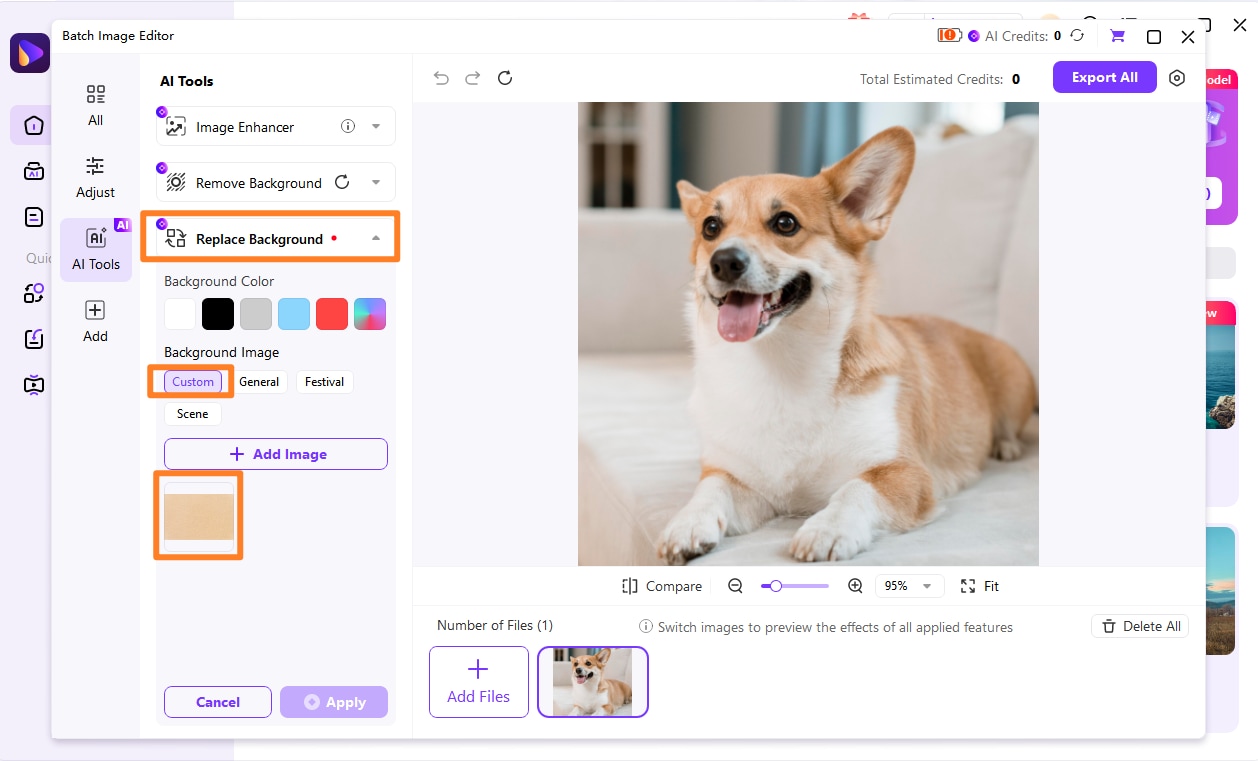
Step 1: Open UniConverter and Choose Background Replacer
Launch UniConverter and navigate to the 'Toolbox' section. Here, you'll find the 'Background Replacer' option. Click on it to open the dedicated image editing interface.
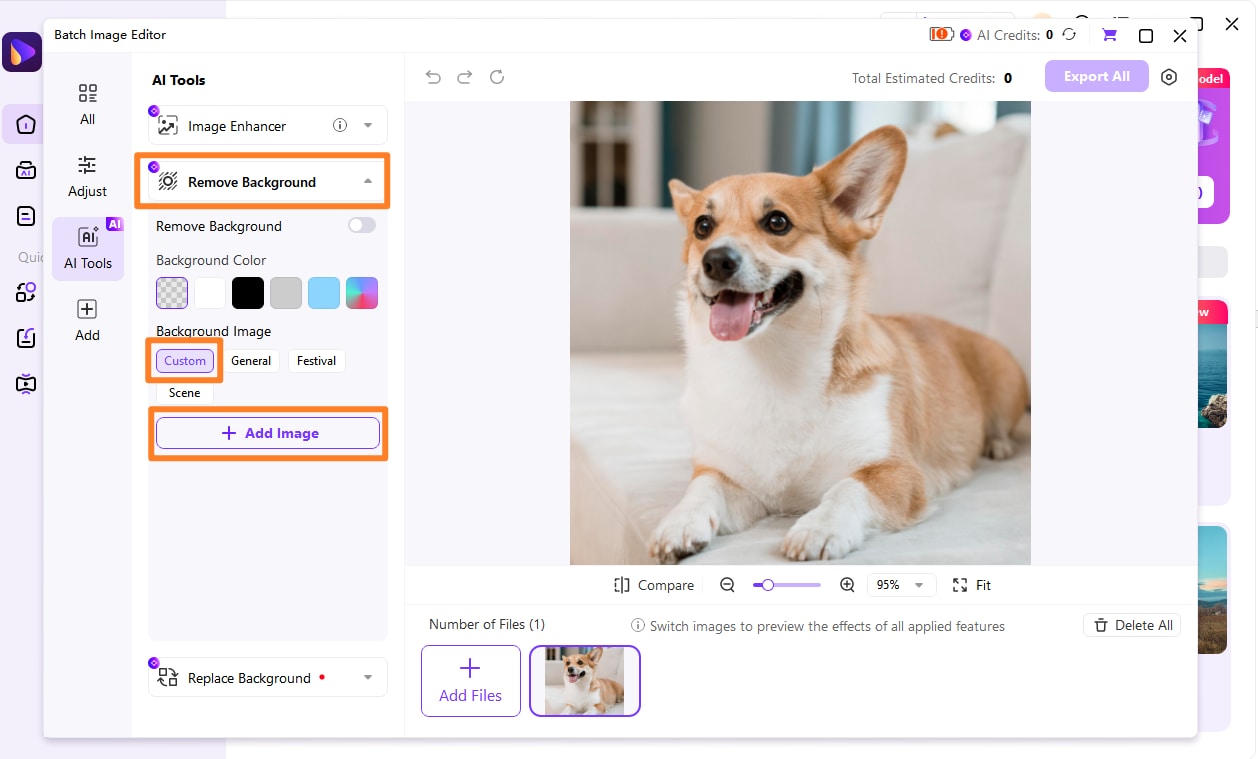
Step 2: Upload the Images
Drag and drop your images into the designated area or click 'Add Files' to browse and select them. UniConverter supports various image formats, making it versatile for different needs.
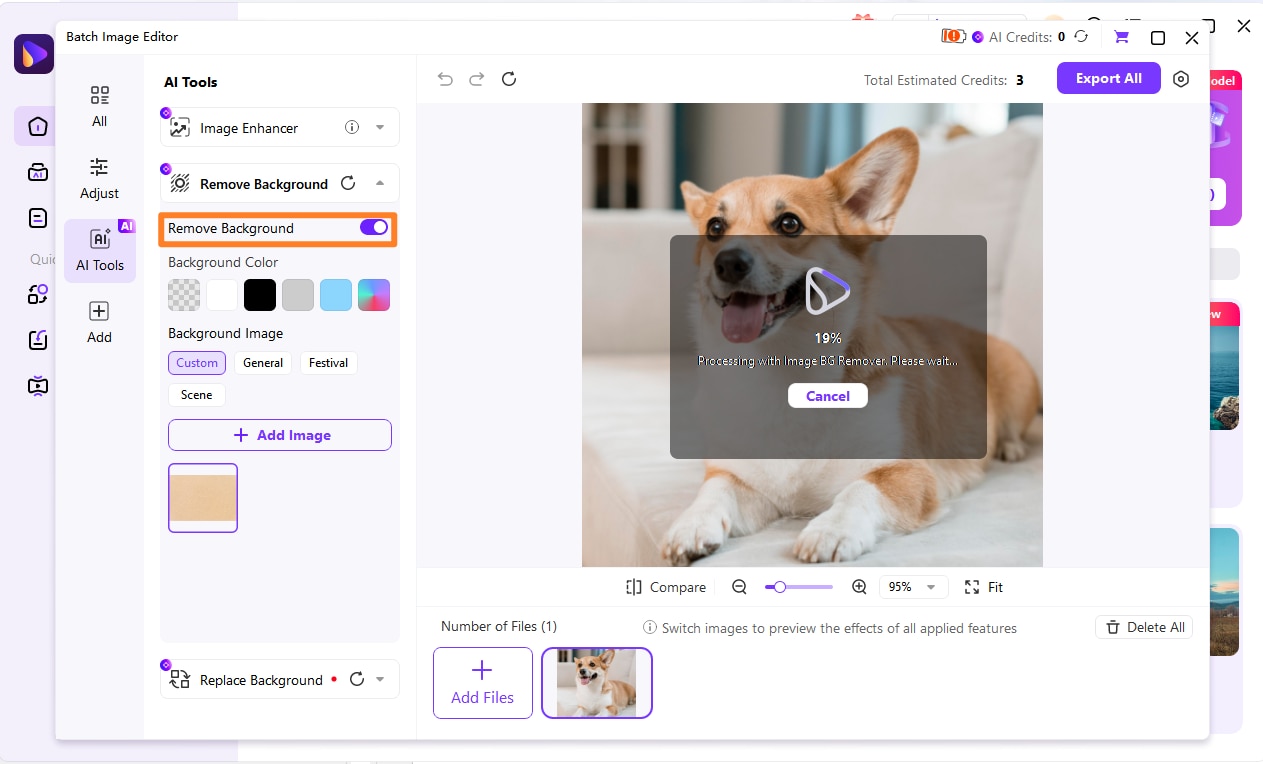
Step 3: Select the Object Removal Tool
Within the Background Replacer, you'll find tools for object removal. Use the intelligent brush to highlight the unwanted objects. UniConverter's AI is quite good at distinguishing between foreground and background elements, ensuring a high-definition background remover experience.
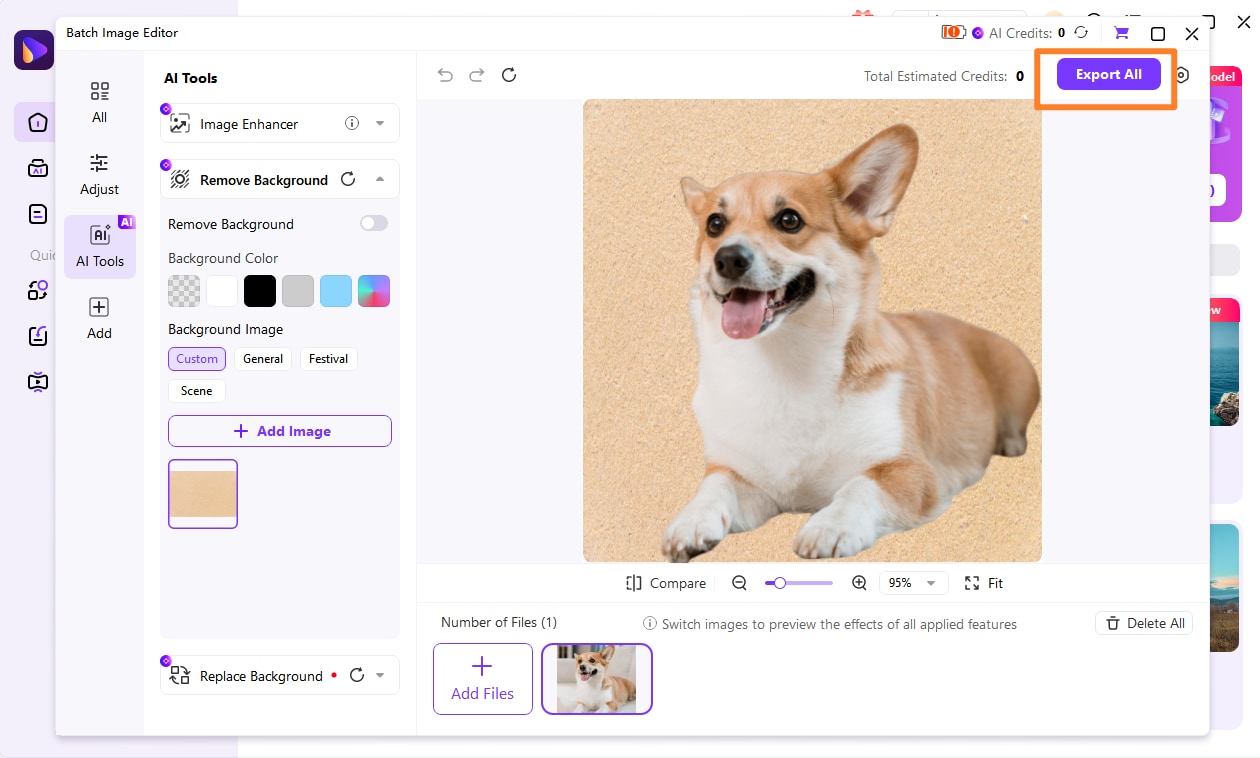
Step 4: Preview and Export Images
After the object is removed, you can preview the result. If satisfied, choose your desired output format and quality settings, then click 'Export' to save your high-quality, edited images. This process allows you to remove background without losing quality.

Seeking a Powerful Magic Eraser Alternative?
Part 7: Final Verdict and Recommendations
After extensively using Magic Eraser by Magic Studio and comparing it with other tools, my conclusion is that its value largely depends on your specific needs and expectations. For casual users and social media enthusiasts, Magic Eraser is a fantastic tool. Its intuitive interface and quick processing make it ideal for those everyday photo clean-ups – removing a stray object, a small blemish, or an accidental photobomber. It truly simplifies what used to be a tedious task, allowing you to share polished photos without much effort. However, for professionals seeking advanced control, such as graphic designers, product photographers, or anyone requiring pixel-perfect precision, Magic Eraser will likely fall short. The limitations in handling complex backgrounds and the potential for artifacts with larger removals mean it can't replace dedicated professional software. In these scenarios, tools like Adobe Photoshop or a comprehensive solution like UniConverter offer the necessary depth and control. Ultimately, it’s about balancing convenience and quality. If speed and simplicity are your top priorities for minor edits, Magic Eraser is a solid choice. But if your work demands impeccable results and extensive editing capabilities, investing in more robust software is a necessity.
Part 8: FAQs
-
1. Is Magic Eraser completely free to use?
Magic Eraser offers a free tier with limitations on resolution and the number of edits. A premium subscription is required to unlock full features, including high-resolution exports and unlimited usage.
-
2. Can Magic Eraser remove people from photos?
Yes, Magic Eraser can remove people from photos. The success and quality of the removal largely depend on the complexity of the background behind the person. Simple backgrounds yield better results.
-
3. How does Magic Eraser compare to Photoshop's content-aware fill?
Magic Eraser is designed for simplicity and speed, making it quicker for basic object removal. Photoshop's content-aware fill offers significantly more control and precision, making it superior for complex edits and professional-grade results, though it requires more skill and time.
-
4. Are there any privacy concerns with uploading photos to Magic Eraser?
As with any online tool, users should always review Magic Eraser's privacy policy to understand how their uploaded images are handled, stored, and used. It's advisable to avoid uploading highly sensitive or confidential images to cloud-based services.
-
5. What are the best alternatives to Magic Eraser for offline use?
For offline object removal, robust desktop software like Adobe Photoshop, GIMP (a free open-source alternative), or UniConverter offer comprehensive capabilities without requiring an internet connection.
