
- DxO PhotoLab Review: Uncover if DxO PhotoLab is your ideal image editing software.
- Core Strengths: Discover its unparalleled noise reduction and optical correction capabilities.
- Ideal Users: Learn which photographers benefit most from PhotoLab's specialized focus.
- Comparison: See how PhotoLab stacks against Lightroom, Capture One, and UniConverter.
- Decision Guide: Understand the pros, cons, and risks to make an informed choice.
In this article
- Part 1: What is DxO PhotoLab?
- Part 2: DxO PhotoLab: Core Features, Pros, and Cons
- Part 3: DxO PhotoLab: Ideal Users and Use Cases
- Part 4: DxO PhotoLab and Alternatives Comparison
- Part 5: Risks and Pitfalls to Consider
- Part 6: How to Use UniConverter for Efficient Background Removal
- Part 7: Conclusion
- Part 8: FAQs
When it comes to professional-grade image editing, DxO PhotoLab review consistently emerges as a strong contender, especially for photographers who prioritize optical perfection and noise reduction. This review will delve into its unique strengths, compare it against its main rivals like Adobe Lightroom Classic and Capture One Pro, and help you determine if it's the right tool to elevate your photography. We'll explore its core features, ideal use cases, potential pitfalls, and even suggest an alternative for more basic needs.
Part 1: What is DxO PhotoLab?
DxO PhotoLab is a powerful RAW image processing software developed by DxO Labs, a company renowned for its expertise in optics and image quality. It's designed to provide photographers with unparalleled image correction capabilities, particularly in areas like lens sharpness, distortion, and noise reduction. Unlike some competitors that aim for a broader appeal with extensive creative tools, PhotoLab focuses intensely on delivering the highest possible technical image quality from your RAW files. My initial impression was that it might just be another RAW converter, but after using it, I realized its dedication to optical perfection is truly unique. This review aims to clarify its position in the crowded market and help you decide if its specialized approach aligns with your photographic workflow.
Addressing Key Photographer Pain Points
* Achieving Pristine Image Quality: Many photographers struggle with noise in high-ISO shots or optical imperfections from their lenses. PhotoLab directly addresses these.
* Streamlining RAW Processing: It offers a robust workflow for converting and correcting RAW files before further creative editing.
* Maximizing Lens Performance: Its deep understanding of lens characteristics allows for corrections that other software often miss.
Part 2: DxO PhotoLab: Core Features, Pros, and Cons
DxO PhotoLab excels in its foundational image processing capabilities, offering a suite of tools that prioritize technical perfection. My experience has shown that while it might not have the flashiest creative filters, its core engine is incredibly robust.
* DeepPRIME/DeepPRIME XD Noise Reduction: This is, without a doubt, its killer feature. I've seen images shot at incredibly high ISOs become usable, something I initially thought was impossible.
* Optical Corrections: PhotoLab automatically applies precise corrections for lens sharpness, distortion, vignetting, and chromatic aberration based on its extensive database of lens-camera modules. It’s like having a dedicated optical engineer for every shot.
* U Point Technology for Local Adjustments: This intuitive system allows for precise, localized adjustments without complex masks, making targeted enhancements incredibly efficient.
* ClearView Plus: This feature effectively removes atmospheric haze and enhances local contrast, particularly useful for landscape photography.
* Color Management: It offers robust color management tools to ensure accurate color reproduction throughout your workflow.
Pros
* Unrivaled Noise Reduction (DeepPRIME/DeepPRIME XD): This is the gold standard for noise reduction, hands down.
* Superior Optical Corrections (Lens Sharpness, Vignetting, Chromatic Aberration): My images always look sharper and cleaner straight out of PhotoLab.
* Intuitive Local Adjustments with U Point Technology: I find U Point far more efficient for quick, precise local edits than traditional masking.
Cons
* Steep Learning Curve for Beginners: While powerful, it takes time to master all its nuances. I definitely felt overwhelmed at first.
* Limited Creative Editing Tools Compared to Competitors: If you're looking for extensive artistic filters or complex layering, you'll need another program.
Part 3: DxO PhotoLab: Ideal Users and Use Cases
From my perspective, DxO PhotoLab isn't for everyone, but for those it's designed for, it's indispensable. It truly shines when technical image quality is paramount.
Best Use Case: Professional Landscape and Architectural Photography
For landscape and architectural photographers, where sharp details, minimal noise, and perfectly corrected optics are non-negotiable, PhotoLab is a game-changer. I use it religiously for my landscape shots; the way it handles high-ISO noise from twilight shots and corrects lens distortions in architectural photos is simply unmatched. The ability to extract so much detail and clarity from challenging conditions makes it my go-to for these genres. If you're meticulously crafting images for large prints or high-resolution displays, this is where PhotoLab truly earns its keep.
Limited Use Case: Rapid-Fire Event Photography or Social Media Content Creation
On the other hand, if your workflow involves quickly culling and editing hundreds of images from an event, or if you're primarily creating content for social media where speed and creative flair often outweigh absolute technical perfection, PhotoLab might slow you down. Its strength lies in meticulous, quality-focused processing, not rapid-fire batch editing or applying trendy filters. For quick turnarounds or highly stylized looks, I find myself reaching for other tools.
Part 4: DxO PhotoLab and Alternatives Comparison
When I look at the landscape of photo editing software, DxO PhotoLab carves out a very specific niche. Here's how it stacks up against some major players, including UniConverter for basic needs.
| Feature Set | DxO PhotoLab | Adobe Lightroom Classic | Capture One Pro | Affinity Photo | UniConverter |
| Core Focus | RAW processing, optical corrections, noise reduction | RAW processing, cataloging, extensive creative tools | RAW processing, tethering, color grading, session-based | Layered editing, photo manipulation, graphic design | Basic photo editing, conversion, background removal |
| Performance | Excellent for processing, demanding on hardware | Good, can be slow with large catalogs | Very good, especially with tethering | Excellent, GPU accelerated | Fast, GPU accelerated |
| Pricing Model | Perpetual license (with upgrade options) | Subscription (Creative Cloud) | Perpetual license or subscription | One-time purchase | One-time purchase or subscription |
| User Interface | Functional, focused, can be complex | Standardized, familiar to Adobe users | Highly customizable, professional | Photoshop-like, powerful | Intuitive, user-friendly |
| Noise Reduction | DeepPRIME/XD (best in class) | Good (AI Denoise) | Good | Basic | Basic |
| Optical Corrections | Industry-leading (module-based) | Good (profile-based) | Good (profile-based) | Basic | N/A |
Key Differentiators
DxO's unique optical correction and noise reduction algorithms: This is its superpower. No other software matches its ability to clean up noisy images and correct lens imperfections. Lightroom's cloud integration and extensive ecosystem: If you live in the Adobe world and need cloud sync across devices, Lightroom is the king. Its vast array of tutorials and plugins is also a huge draw. Capture One's tethering and color grading capabilities: For studio photographers or those who demand precise color control, Capture One's session-based workflow and advanced color editor are unparalleled. Affinity Photo's one-time purchase and layered editing: If you need a powerful Photoshop alternative without the subscription, Affinity Photo is an incredible value, especially for complex manipulations. * UniConverter's simplicity and conversion focus: For quick, basic edits, format conversions, or efficient background removal without the complexity of professional editors, UniConverter is surprisingly capable and user-friendly.
Part 5: Risks and Pitfalls to Consider
Before diving into DxO PhotoLab, or any advanced photo editing software, there are several factors I always advise people to consider. It's not just about features, but about how it fits into your existing workflow and budget.
Subscription Model vs. Perpetual License
While DxO PhotoLab offers a perpetual license, which I personally prefer, it's important to understand that major version upgrades usually come at a cost. This is different from Adobe's subscription model, where you always have the latest version as long as you pay. For me, the perpetual license is a huge plus, but it means I sometimes wait a bit longer to upgrade if the new features aren't critical.
Hardware Requirements for Optimal Performance
PhotoLab, especially when using DeepPRIME XD, is a resource hog. I initially tried running it on an older machine, and the processing times were excruciating. You really need a modern CPU, plenty of RAM (16GB minimum, 32GB recommended), and a decent GPU to get the most out of it. If your hardware isn't up to snuff, you'll experience significant slowdowns, which can be frustrating.
Integration with Other Software Workflows
PhotoLab is excellent at what it does, but it's not an all-in-one solution like Photoshop. I often find myself processing RAWs in PhotoLab, then exporting them as TIFFs to Photoshop for more complex layering, retouching, or graphic design elements. Understanding how it fits into your existing workflow, or if you need to adapt your workflow, is crucial. It's a RAW developer, not a full-fledged image manipulator.
Steep Learning Curve for New Users
I remember feeling a bit overwhelmed when I first started with PhotoLab. While U Point is intuitive, the sheer number of correction options and the unique interface can be daunting for someone coming from a simpler editor. Be prepared to invest time in learning the software to truly unlock its potential. It's not a "pick up and play" kind of tool.
Part 6: How to Use UniConverter for Efficient Background Removal
Sometimes, you don't need the full power of DxO PhotoLab or other complex editors. If your main goal is quick, efficient background removal, especially in batches, and you're tired of tools that leave fuzzy edges, add watermarks, or bombard you with ads, UniConverter is a surprisingly robust solution. It’s a great alternative when you need to quickly prepare images for e-commerce, presentations, or social media without sacrificing quality or dealing with complicated interfaces. It’s fast, supports a wide range of formats, and uses GPU acceleration for smooth processing, making it an excellent all-in-one solution for basic photo tasks. For those looking to remove background without losing quality, UniConverter offers a reliable method.
Step 1: Open UniConverter and Choose Background Replacer
Launch UniConverter on your computer. From the main interface, navigate to the 'Toolbox' section and select 'Background Replacer'. This feature is designed to help you easily change video background or image backgrounds.
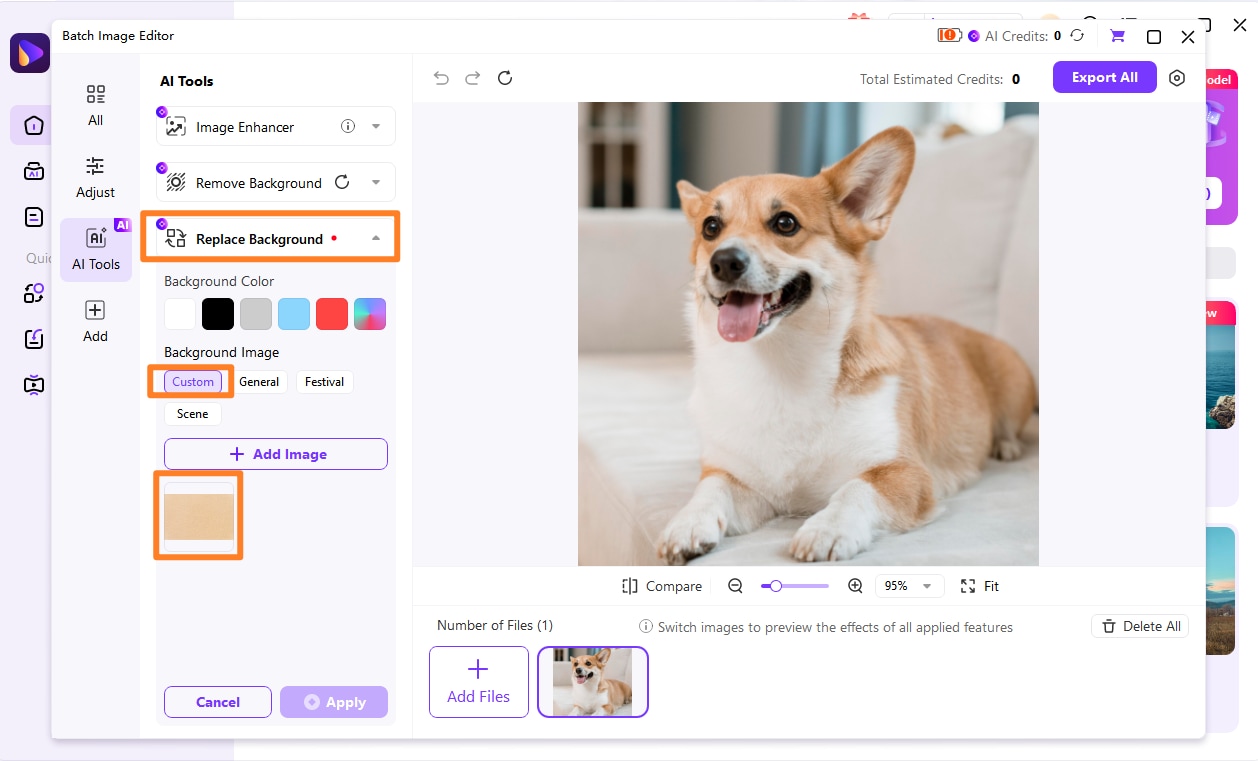
Step 2: Upload the Images
Click on the "Add Files" button or simply drag and drop the images you want to process into the designated area. You can upload multiple images for batch processing.
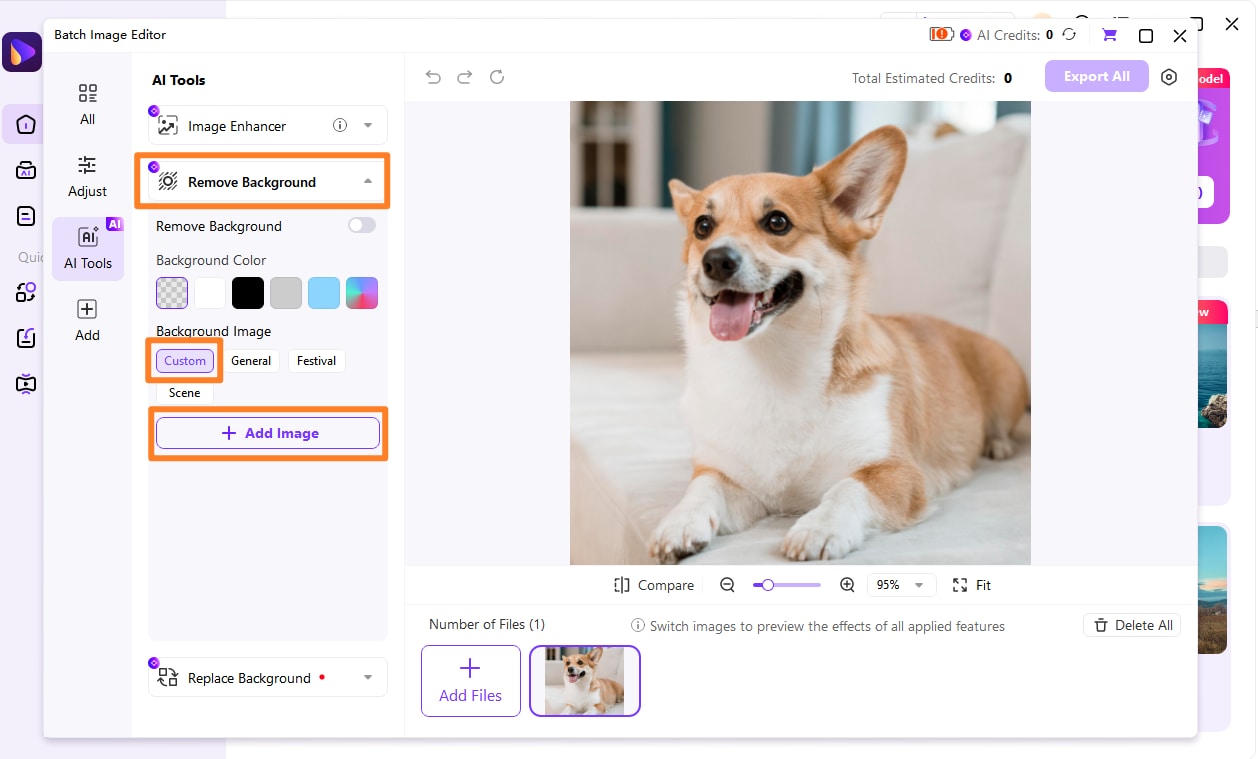
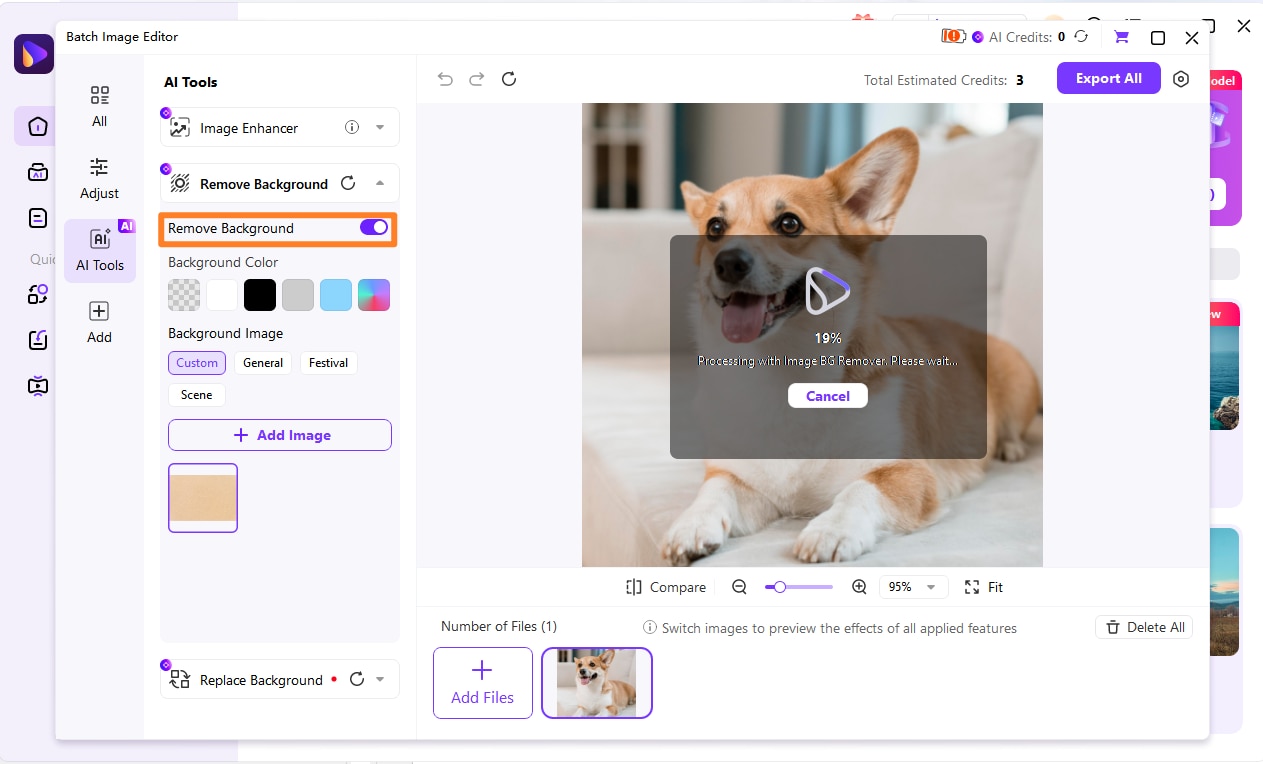
Step 3: Preview and Export Images
UniConverter will automatically process the images and remove their backgrounds. You can preview the results for each image.
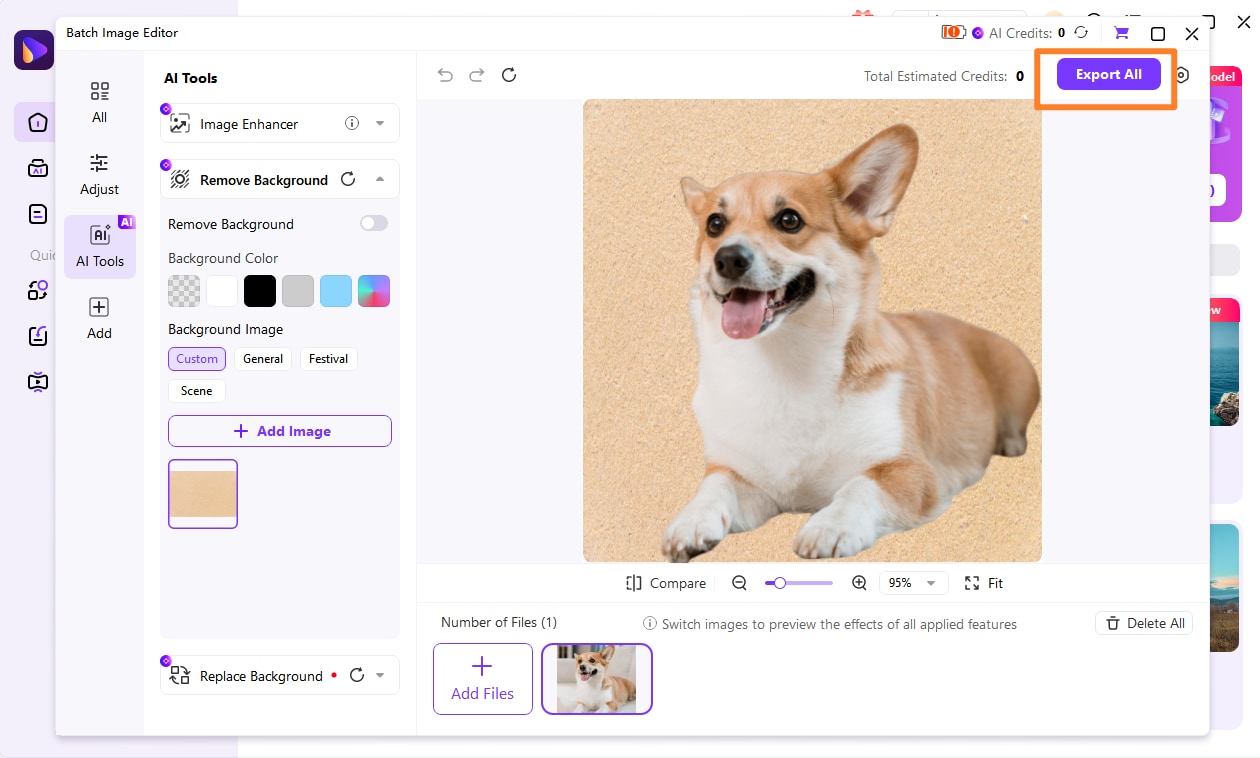
Step 4: Export and Share
Once you're satisfied with the results, choose your desired output format and destination folder, then click "Export" to save your images with transparent backgrounds.

Seeking a Powerful DxO PhotoLab Alternative?
Part 7: Conclusion
In conclusion, the DxO PhotoLab review reveals it to be an exceptional tool for photographers who demand the absolute highest technical quality from their images. Its unparalleled noise reduction, precise optical corrections, and intuitive local adjustments make it an indispensable part of my workflow for landscape, architectural, and fine art photography. While it might have a steeper learning curve and fewer creative tools than some competitors, its focus on fundamental image quality is unmatched. For professional photographers seeking uncompromised results, especially from challenging shooting conditions, PhotoLab is a worthy investment. Enthusiasts prioritizing technical perfection and those with specific lens correction needs will also find immense value. However, if your needs are more geared towards rapid editing, extensive creative manipulation, or simple tasks like background removal, alternatives like Adobe Lightroom Classic, Affinity Photo, or even UniConverter might be more suitable or serve as complementary tools. Ultimately, PhotoLab excels where it matters most: delivering pristine, technically perfect images.
Part 8: FAQs
-
1. Is DxO PhotoLab a subscription or a one-time purchase?
DxO PhotoLab is primarily offered as a perpetual license, meaning you buy it once and own that version forever. However, major version upgrades typically require a new purchase or an upgrade fee.
-
2. How does DxO PhotoLab's noise reduction compare to Lightroom?
DxO PhotoLab's DeepPRIME and DeepPRIME XD noise reduction technologies are widely considered superior to Lightroom's noise reduction, including its AI Denoise feature. PhotoLab often produces cleaner images with better detail retention, especially at very high ISOs.
-
3. Can DxO PhotoLab replace Adobe Photoshop for all my editing needs?
No, DxO PhotoLab cannot fully replace Adobe Photoshop. PhotoLab is a RAW processor and image corrector, excelling in optical corrections, noise reduction, and basic adjustments. Photoshop is a pixel-level editor designed for complex layering, retouching, compositing, and graphic design, which PhotoLab does not offer. They are often used in conjunction.
-
4. What are the system requirements for running DxO PhotoLab smoothly?
For optimal performance, especially with DeepPRIME XD, DxO PhotoLab requires a modern multi-core processor (Intel Core i7 or AMD Ryzen 7 equivalent or better), at least 16GB of RAM (32GB recommended), and a dedicated GPU with at least 4GB of VRAM (8GB recommended).
-
5. Does DxO PhotoLab support RAW files from all camera brands?
DxO PhotoLab supports RAW files from a vast array of camera brands and models. It relies on its extensive database of camera-lens modules for its unique optical corrections. While it covers most popular cameras, it's always best to check their official website for a complete and up-to-date list of supported cameras and lenses before purchasing.
