
- Clipping Magic Value: Excellent for precise, intricate background removal, especially for e-commerce product photos.
- Feature Highlight: Advanced hair and scalpel tools ensure professional-grade cutouts, even for complex subjects.
- Cost Consideration: Subscription-based, potentially costly for infrequent users; compare with free/freemium alternatives.
- Comparison Point: Outperforms Remove.bg in precision, but UniConverter offers superior batch processing and broader media tools.
- Decision Factor: Choose Clipping Magic for high-precision, moderate-volume needs; UniConverter for versatile, batch-heavy media tasks.
In this article
- Part 1: What is Clipping Magic?
- Part 2: Clipping Magic: Core Features, Pros, and Cons
- Part 3: Clipping Magic: Ideal Users and Use Cases
- Part 4: Clipping Magic and Alternatives Comparison
- Part 5: Risks and Pitfalls to Consider
- Part 6: How to Use UniConverter for Efficient Background Removal
- Part 7: Final Verdict and Recommendations
- Part 8: FAQs
When I first started dabbling in e-commerce, the sheer volume of product images needing clean backgrounds was overwhelming. I quickly realized that manual selection was a time sink I couldn't afford. That's when I stumbled upon Clipping Magic review, a tool that promised to automate this tedious task. This review dives deep into its capabilities, comparing it with other popular options like Remove.bg, Adobe Express, and UniConverter, to help you navigate the often-confusing world of background removal. We'll explore its strengths, weaknesses, and ultimately, help you decide if it's the right fit for your specific needs, whether you're a seasoned e-commerce entrepreneur or a casual user.
Part 1: What is Clipping Magic?
Clipping Magic positions itself as a dedicated online tool for automatic background removal, primarily leveraging AI to achieve precise cutouts. My initial impression was that it was just another one-trick pony, but I soon discovered its nuanced approach to complex images. The core promise is to simplify the often-frustrating process of isolating subjects from their backgrounds, making it accessible even for those without extensive graphic design experience. This review aims to dissect its performance, particularly in scenarios where detail and speed are paramount, and to see how it stacks up against its competitors in a crowded market.
The Rise of AI-Powered Image Editing Tools
The demand for quick and efficient image editing has skyrocketed, driven by:
* E-commerce Boom: Online sellers constantly need high-quality product images with clean backgrounds to attract customers.
* Social Media Content Creation: Influencers and marketers require visually appealing content, often involving subject isolation.
* Design and Marketing Agencies: These professionals need reliable tools for rapid prototyping and client work, where turnaround time is crucial.
* Personal Use: Even casual users want to easily enhance their photos for sharing or personal projects.
Part 2: Clipping Magic: Core Features, Pros, and Cons
Clipping Magic's core strength lies in its specialized focus on background removal. What struck me most was its ability to handle intricate details that other tools often struggle with. It’s not just about removing the background; it’s about doing it cleanly and efficiently. I've found its interface to be incredibly intuitive, which is a huge plus when you're trying to get things done quickly.
Core Features:
* Automatic Background Removal: My go-to for quick and clean cutouts.
* Hair Tool: This is a lifesaver for product shots involving fur or models with flowing hair.
* Scalpel Tool: For those tricky edges that need a bit more precision, this tool lets me fine-tune.
* Color Correction: A handy extra for making sure my product images pop.
* Shadow Creation: Adds a realistic touch to isolated objects, which is great for e-commerce.
Pros:
* Highly accurate and automatic background removal, even for complex edges (hair, fur). I was genuinely impressed with how well it handles these.
* Intuitive and user-friendly interface, suitable for beginners. I never felt lost, even on my first try.
* Advanced editing tools for fine-tuning selections (hair tool, scalpel tool). These really elevate the quality of the final output.
Cons:
* Subscription-based model can be costly for infrequent users. If you only need it once in a blue moon, it might feel a bit much.
* Limited batch processing capabilities compared to some competitors. This was a minor frustration when I had a large number of images.
Part 3: Clipping Magic: Ideal Users and Use Cases
From my experience, Clipping Magic truly shines for specific types of users and scenarios. It's not a one-size-fits-all solution, and understanding its sweet spot is key to getting the most out of it. I've found that its precision and ease of use make it indispensable for certain tasks, while its limitations become apparent in others.
Best Use Case: E-commerce Product Photography
For anyone running an online store, Clipping Magic is a game-changer. I use it constantly for my product images. The ability to quickly and accurately remove backgrounds, especially for items with complex edges like jewelry or clothing, saves me hours. The fine-tuning tools ensure that every product looks professional and consistent, which is crucial for attracting customers. I don't have to be a Photoshop expert to get studio-quality cutouts, and that's a huge win for my small business.
Limited Use Case: High-Volume, Diverse Image Processing for Agencies
While Clipping Magic excels at precision, I've found it less ideal for agencies dealing with extremely high volumes of diverse images that require extensive batch processing. If you're an agency needing to process thousands of images with varying subjects and quality, its batch capabilities might feel a bit restrictive. For these scenarios, I often look for tools that offer more robust automation and integration into larger workflows, as the manual oversight required for each image in Clipping Magic can slow things down considerably.
Part 4: Clipping Magic and Alternatives Comparison
When I started looking for background removal tools, I quickly realized there's a spectrum of options, each with its own strengths. Here's how Clipping Magic stacks up against some of the other popular choices I've tried.
| Feature/Tool | Clipping Magic | Remove.bg | Adobe Express | UniConverter |
| Accuracy | Excellent | Very Good | Good | Excellent |
| Ease of Use | Excellent | Excellent | Good | Excellent |
| Batch Processing | Limited | Good | Limited | Excellent |
| Pricing Model | Subscription | Freemium/Subscription | Freemium/Subscription | One-time purchase/Subscription |
| Additional Features | Fine-tuning tools | Basic editing | Full design suite | Video/Audio conversion, compression |
Key Differentiators:
Clipping Magic excels in precision for intricate details. For me, when I need that perfect cutout for a product, it's my first choice. Remove.bg offers a simpler, faster solution for general use; if I just need a quick background removal without much fuss, it's super convenient. Adobe Express integrates background removal into a broader design ecosystem; if I'm already in the Adobe suite for other design tasks, it makes sense to use it. UniConverter provides a comprehensive media toolkit beyond just background removal, which is great if I'm looking for an all-in-one solution for various media needs.
Part 5: Risks and Pitfalls to Consider
While these background removal tools are incredibly convenient, I've learned that it's crucial to be aware of potential downsides, especially when relying on them for critical projects. It's not always smooth sailing, and some issues can really impact your workflow or the quality of your output.
Data Privacy and Image Security Concerns
This is a big one for me. When I upload images to cloud-based tools, I always wonder where my data goes. For sensitive product images or personal photos, I'm cautious about tools that don't clearly state their privacy policies or offer end-to-end encryption. I've heard stories of images being stored on servers for longer than necessary, which is a definite red flag. Always read the fine print!
Potential for Quality Degradation on Low-Resolution Images
I've noticed that if my source image is low-resolution to begin with, even the best background removers can struggle. The edges can look pixelated or fuzzy, and the overall quality of the cutout suffers. It's like trying to make a silk purse out of a sow's ear – some tools handle it better than others, but none can work miracles. I always try to start with the highest resolution image possible to avoid this pitfall.
Hidden Costs and Subscription Traps
Many tools offer a "free" tier, but I've often found that the free version is severely limited – maybe only a few images per month, or lower resolution exports. Then, to unlock the full potential, you're pushed into a subscription. Sometimes, these subscriptions auto-renew, and if you're not careful, you can end up paying for a service you barely use. Always check the pricing structure and cancellation policies before committing.
Over-reliance on Automation for Critical Projects
While automation is fantastic, I've learned not to completely trust it for critical projects. Sometimes, especially with very complex subjects or busy backgrounds, the AI might make mistakes – a stray pixel here, a missed edge there. For high-stakes images, I always do a manual review and often a bit of touch-up. Relying solely on automation can lead to embarrassing errors if you're not vigilant.
Part 6: How to Use UniConverter for Efficient Background Removal
Sometimes, I find that specialized online tools, while good, don't quite cut it for all my needs. If I'm dealing with issues like inconsistent background replacement quality, pixelated exports, or fuzzy edges, I often turn to UniConverter. It's a robust desktop solution that avoids many of the common pitfalls of online tools, offering a stable, ad-free experience with excellent output quality and batch processing capabilities. For me, it's an all-in-one media powerhouse that handles background removal with surprising efficiency.
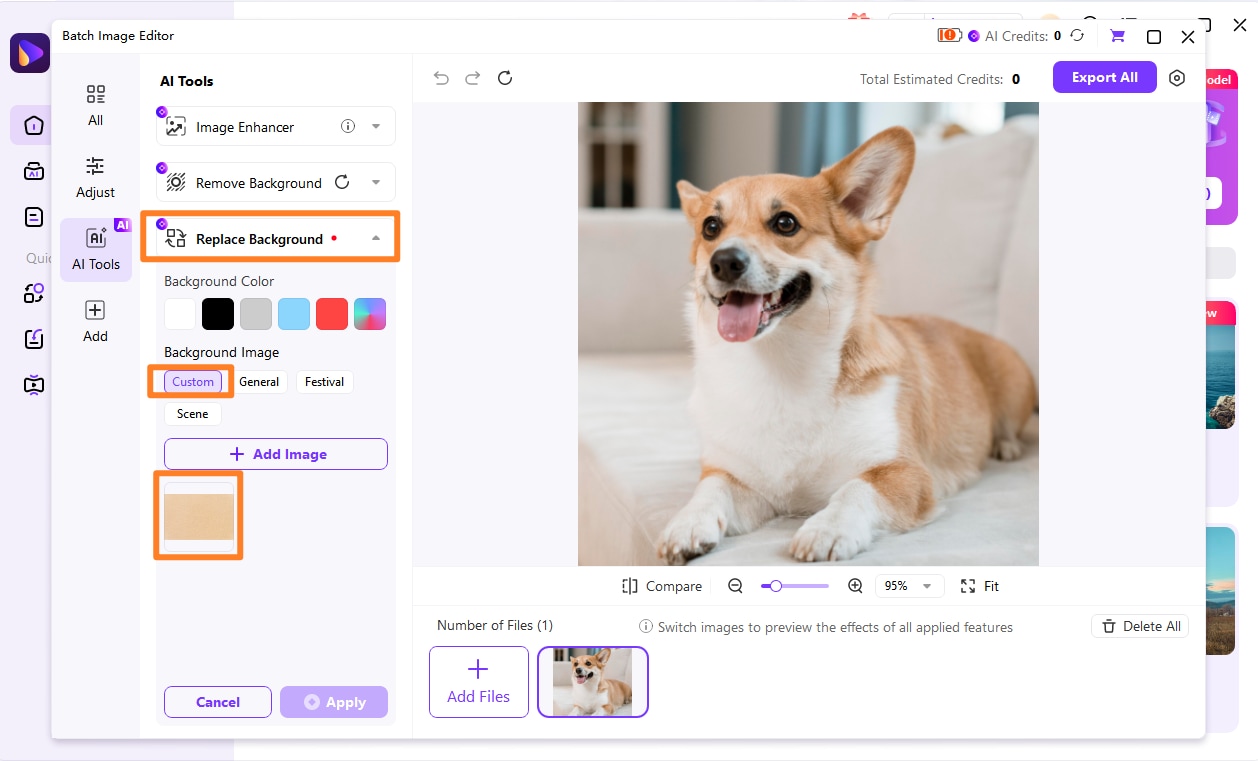
Step 1: Open UniConverter and Choose Background Replacer
First things first, I launch UniConverter. Once it's open, I navigate to the "Toolbox" section. Within the Toolbox, I look for the "Background Remover" option. It's usually pretty easy to spot among the other tools.
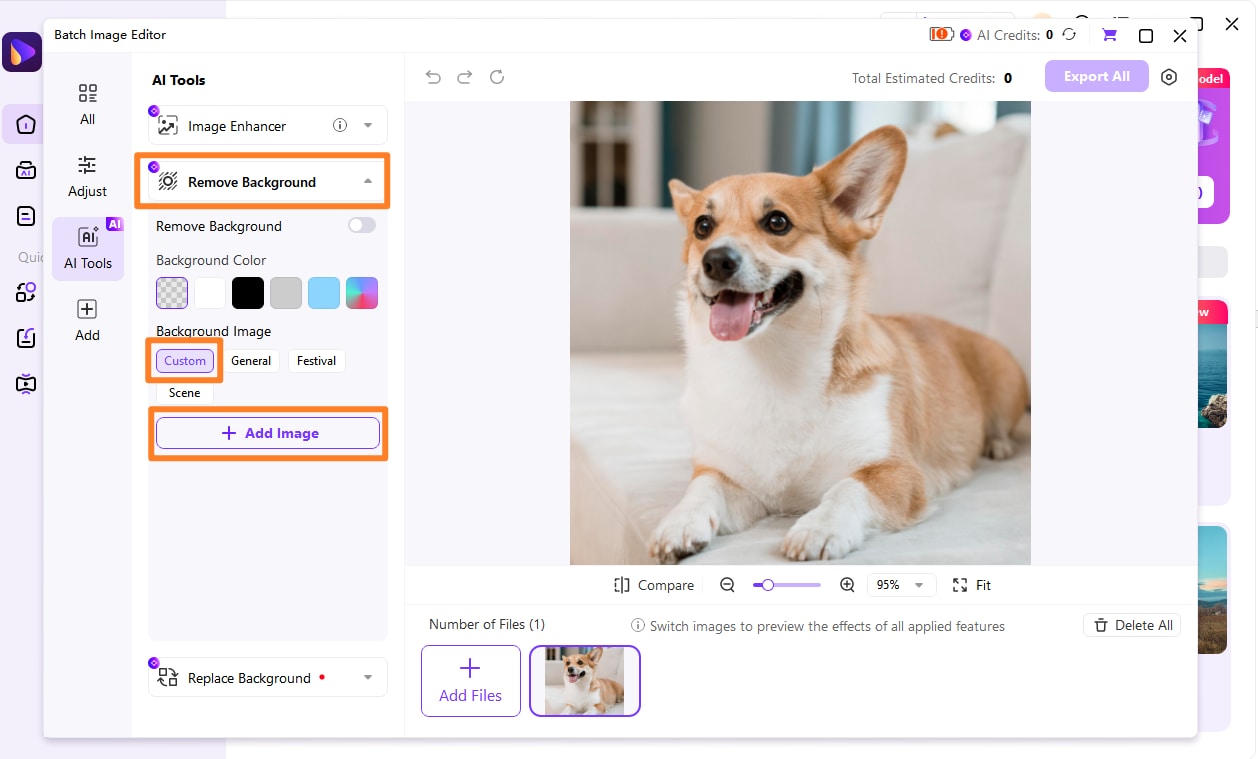
Step 2: Upload the Images
Next, I simply drag and drop the images I want to process into the UniConverter interface. Alternatively, I can click the "Add Files" button to browse and select them from my computer. UniConverter supports various image formats, which is super convenient.
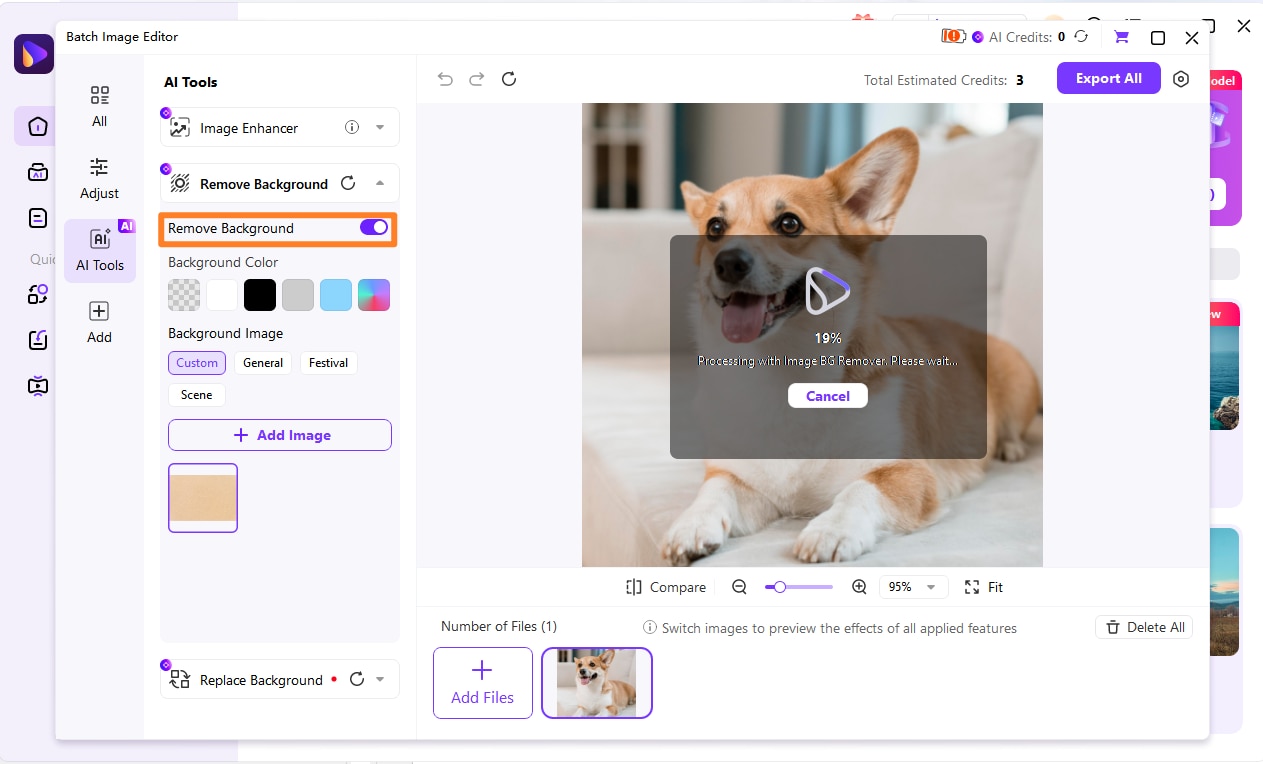
Step 3: Click to Preview Images
After uploading, UniConverter automatically starts processing the images. I can then click on each image to preview the background removal result. This allows me to check for any areas that might need fine-tuning, though I rarely find major issues.
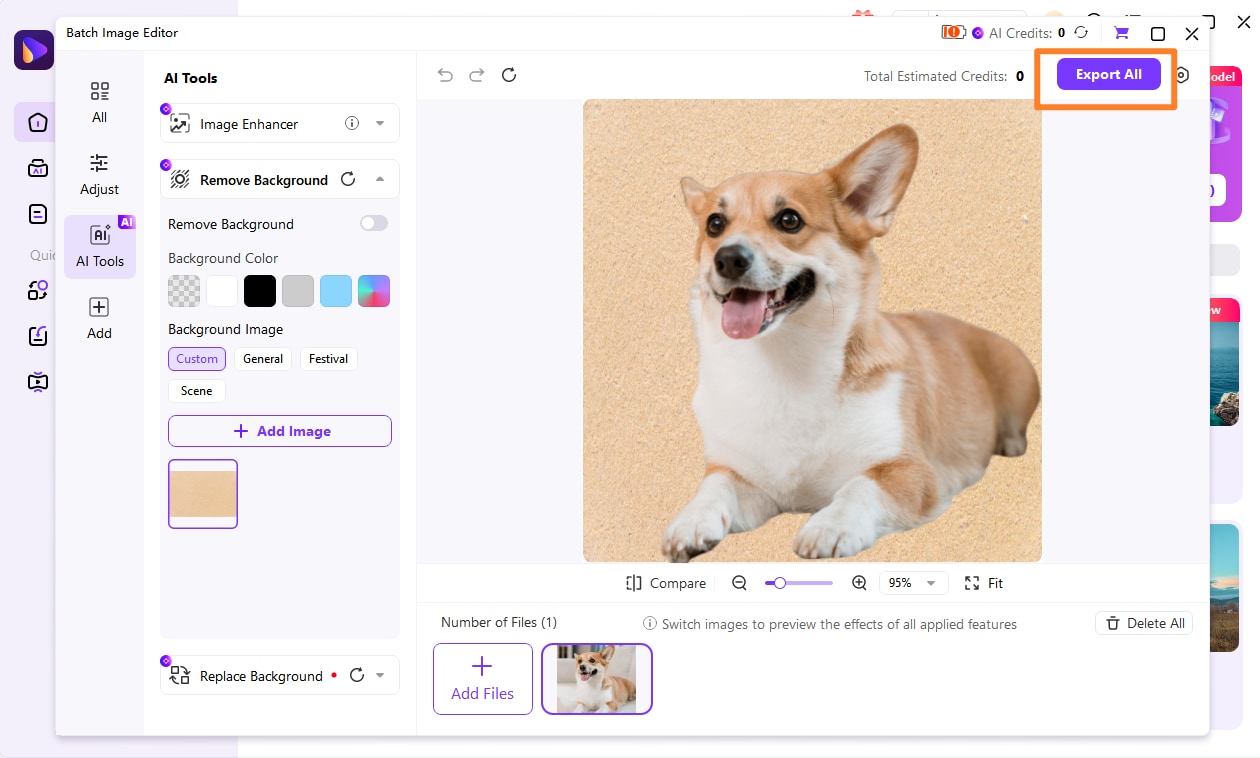
Step 4: Preview and Export Images
Once I'm satisfied with the preview, I can choose my output settings, such as the desired format and destination folder. Then, I hit the "Export" button, and UniConverter quickly saves all the processed images with their backgrounds removed. It's incredibly efficient, especially for batch jobs.

Seeking a Clipping Magic Alternative?
Part 7: Final Verdict and Recommendations
After spending considerable time with Clipping Magic and its alternatives, my conclusion is that there's no single "best" tool; it truly depends on your specific needs and workflow. Clipping Magic review highlights its precision for intricate details, making it a strong contender for specific use cases.
For e-commerce businesses and product photographers, Clipping Magic is an excellent investment. Its accuracy with complex edges like hair and fur, combined with intuitive fine-tuning tools, ensures professional-grade cutouts that can significantly enhance product presentation. If your primary goal is high-quality, precise background removal for a moderate volume of images, you'll find it incredibly valuable.
For graphic designers and creative professionals, Clipping Magic can be a useful specialized tool for specific tasks requiring high precision. However, if you're looking for a broader design suite with integrated background removal, Adobe Express might be a more comprehensive option, as it fits into a larger creative ecosystem.
For casual users and small projects, if you only need occasional background removal and budget is a concern, Remove.bg offers a very quick and easy solution, often with a generous free tier for basic needs. You might not get the same level of fine-tuning, but for simple cutouts, it's perfectly adequate.
Finally, for users seeking a multi-functional media tool that goes beyond just background removal, UniConverter stands out. Its ability to handle batch processing, offer stable performance without ads, and integrate various media conversion and editing features makes it an incredibly cost-effective and efficient choice for those who need a comprehensive solution for their digital content. It's the tool I turn to when I need reliability and versatility across different media types.
Part 8: FAQs
-
1. Is Clipping Magic completely free to use?
No, Clipping Magic operates on a subscription model. While it might offer a limited free trial or a few free credits, continuous use requires a paid subscription.
-
2. How accurate is Clipping Magic for complex images like hair or fur?
In my experience, Clipping Magic is exceptionally accurate for complex images, including hair and fur. Its AI algorithms and specialized tools are designed to handle these intricate details with impressive precision, often outperforming many competitors.
-
3. Can I use Clipping Magic for batch processing multiple images?
Clipping Magic does offer some batch processing capabilities, but I've found them to be more limited compared to dedicated batch processing tools or desktop software like UniConverter. For very high volumes, it might require more manual oversight.
-
4. What are the main differences between Clipping Magic and Remove.bg?
Clipping Magic generally offers more advanced fine-tuning tools and greater precision for complex edges, making it ideal for professional product photography. Remove.bg is typically faster and simpler for quick, general background removal, often with a more generous free tier for basic use.
-
5. Is UniConverter a good alternative to Clipping Magic for background removal?
Yes, UniConverter is an excellent alternative, especially if you need robust batch processing, a stable desktop application, and a wider range of media editing and conversion tools. It provides high-quality background removal without the subscription-based limitations or potential privacy concerns of some online tools.
