
- Photoshop's Power: Unparalleled features for professionals, but demands powerful hardware and has a steep learning curve.
- Cost & Commitment: Subscription model is a significant ongoing expense; consider one-time purchase alternatives like Affinity Photo.
- Target Audience: Ideal for professional designers/photographers; overkill for quick edits or casual users.
- Alternatives: GIMP offers free comprehensive tools, while UniConverter excels at quick, specific tasks like background removal.
- Efficiency: For batch processing or simple tasks, UniConverter often outperforms Photoshop in speed and ease of use.
- Decision Factor: Choose based on workflow, budget, and skill level; combine tools for optimal results.
In this article
- Part 1: What is Adobe Photoshop?
- Part 2: Adobe Photoshop: Core Features, Pros & Cons
- Part 3: Target Audience and Use Cases
- Part 4: Adobe Photoshop and Alternatives Comparison
- Part 5: Risks and Pitfalls of Using Adobe Photoshop
- Part 6: How to Use UniConverter to Efficiently Replace Image Backgrounds
- Part 7: Conclusion
- Part 8: FAQs
When it comes to image editing, Adobe Photoshop review is a name that instantly comes to mind. It's been the industry standard for decades, a powerhouse of tools that creative professionals swear by. But is it still the undisputed champion, or are there viable alternatives that offer better value or a more tailored experience for specific needs? In this comprehensive Adobe Photoshop review, I'll dive deep into its capabilities, compare it with key competitors, and help you decide if it's the right tool for your creative journey. I'll share my personal experiences and insights, highlighting where Photoshop truly shines and where you might want to look elsewhere.
Part 1: What is Adobe Photoshop?
Adobe Photoshop, for me, has always been the ultimate digital canvas. It's a comprehensive raster graphics editor developed and published by Adobe Inc., designed to handle virtually any image manipulation task you can imagine. From simple photo touch-ups to complex digital art and compositing, it’s been my go-to for years. This review aims to cut through the hype and give you a realistic perspective on its strengths and weaknesses, especially when stacked against other popular tools in the market. I'll be focusing on:
Understanding the Landscape of Image Editing Tools
* The Evolving Needs of Creators: What do modern designers and photographers really need from their software?
* The Rise of AI-Powered Tools: How are new technologies changing the game?
* Balancing Power with Accessibility: Is there a sweet spot between professional features and ease of use?
Part 2: Adobe Photoshop: Core Features, Pros & Cons
Photoshop is a beast, plain and simple. Its core strength lies in its unparalleled depth and breadth of features. I’ve found its layer-based editing, advanced selection tools, and non-destructive adjustments to be absolutely essential for my professional work. The ability to precisely control every pixel, combine multiple images seamlessly, and apply sophisticated effects is what keeps me coming back.
Key Capabilities
* Advanced Layer-Based Editing: For complex compositions and non-destructive workflows.
* Precise Selection and Masking Tools: Essential for intricate cutouts and targeted adjustments.
* Extensive Retouching and Healing Brushes: To perfect portraits and remove imperfections.
* Powerful Color Correction and Grading: For achieving specific moods and visual styles.
* Robust Smart Objects and Filters: For flexible and creative effects.
Pros
* Unparalleled Feature Set for Professional Image Manipulation: Seriously, if you can dream it, Photoshop can probably do it.
* Extensive Ecosystem and Integration with Adobe Creative Cloud: The synergy with Illustrator, InDesign, and Premiere Pro is a huge time-saver for me.
* Robust Community Support and Learning Resources: There’s a tutorial for everything, which was a lifesaver when I was starting out.
Cons
* High Subscription Cost and Steep Learning Curve: It’s an investment, both financially and in terms of time to master.
* Resource-Intensive Software Requiring Powerful Hardware: My old laptop used to chug trying to run it.
Part 3: Target Audience and Use Cases
From my experience, Photoshop is undeniably built for professionals. If you're a graphic designer, a professional photographer, a digital artist, or anyone whose livelihood depends on high-quality image manipulation, this is your tool. For me, it's indispensable for client projects that demand pixel-perfect results and complex visual storytelling.
Best Use Case: Professional Retouching and Complex Compositing
When I need to combine multiple images into a seamless, realistic scene, or perform detailed skin retouching for a client, Photoshop is the only tool I trust. Its precision and control are unmatched, allowing me to achieve results that simply aren't possible with simpler software.
Limited Use Case: Quick Edits and Casual Photo Enhancement
If you just want to crop a photo, adjust brightness, or add a simple filter for social media, Photoshop is overkill. It’s like using a sledgehammer to crack a nut. I've found myself reaching for simpler apps on my phone or even web-based editors for these quick tasks because launching Photoshop and navigating its extensive interface for a minor tweak just isn't efficient.
Part 4: Adobe Photoshop and Alternatives Comparison
When I look at alternatives, I'm always weighing what I gain against what I lose. Here's how Photoshop stacks up against some popular competitors, including UniConverter for specific needs.
| Feature Set | Adobe Photoshop | GIMP | Affinity Photo | UniConverter |
| Feature Set | Industry-leading, extensive, professional-grade | Comprehensive, open-source, powerful | Professional-grade, non-destructive, robust | Basic image editing, background removal, conversion |
| Pricing Model | Subscription (Creative Cloud) | Free (Open Source) | One-time purchase | One-time purchase / Subscription (for full features) |
| Ease of Use | Steep learning curve, powerful but complex | Moderate learning curve, less intuitive than PS | Moderate learning curve, user-friendly for pros | Very easy, intuitive for basic tasks |
| Performance | Excellent on powerful hardware, resource-intensive | Varies, can be slower with complex tasks | Excellent, optimized for modern hardware | Fast, especially for conversion and simple edits |
| Target Audience | Professional designers, photographers, artists | Hobbyists, students, budget-conscious professionals | Professional photographers, designers | Casual users, content creators needing quick edits/conversions |
From my perspective, Photoshop remains the king for sheer power and integration. GIMP is a fantastic free alternative if you're willing to invest the time to learn it, but it lacks the polish and seamless workflow of Photoshop. Affinity Photo is a strong contender, offering a professional feature set with a one-time purchase, which is very appealing. However, for quick, specific tasks like background removal or format conversion, UniConverter is surprisingly efficient and straightforward. If I just need to get a background removed from a batch of images and convert them to a specific format, UniConverter often gets the job done faster than even opening Photoshop.
Part 5: Risks and Pitfalls of Using Adobe Photoshop
While I love Photoshop, I've definitely run into some frustrations over the years. It's not a perfect tool, and being aware of its potential downsides can save you a lot of headaches.
Subscription Lock-in and Cost Escalation
This is probably my biggest gripe. The Creative Cloud subscription model means you're constantly paying to access the software. If you stop paying, you lose access to your tools, which can be a real problem for freelancers or those on a tight budget. I've seen the prices creep up over time, making it a significant ongoing expense.
Performance Issues on Older Hardware
I remember trying to run Photoshop on an older machine, and it was a nightmare. Laggy brushes, slow loading times, and frequent crashes were common. It truly demands a powerful computer with ample RAM and a good graphics card to run smoothly, which is an additional cost many beginners might not anticipate.
Steep Learning Curve for Beginners
When I first started, I felt completely overwhelmed by the sheer number of tools and panels. It's not intuitive for someone just starting out, and without dedicated time to learn, it can be incredibly frustrating. Many people give up before they even scratch the surface of its capabilities.
Potential for Over-editing and Unnatural Results
Because Photoshop offers so much control, it's easy to go overboard. I’ve definitely seen (and sometimes made) images that look overly processed, fake, or just plain unnatural. It takes a good eye and practice to use its powerful tools subtly and effectively, especially in areas like skin retouching or color grading.
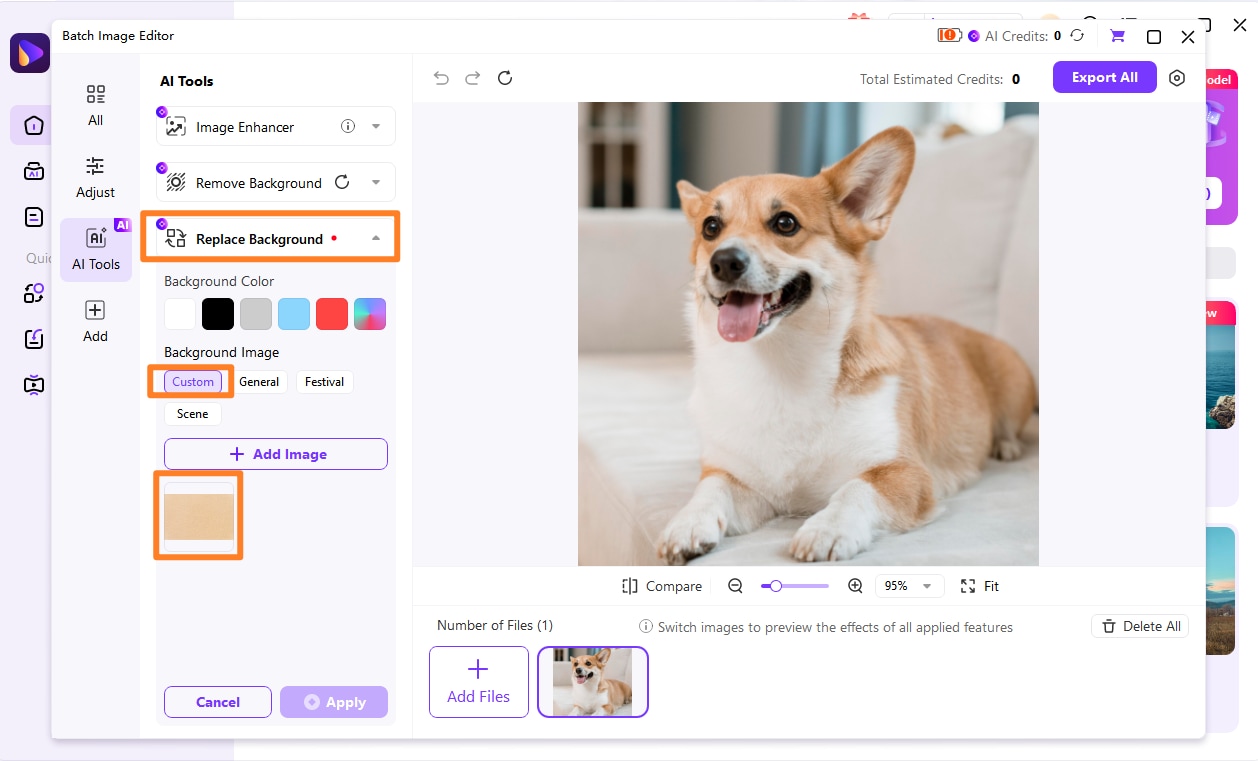
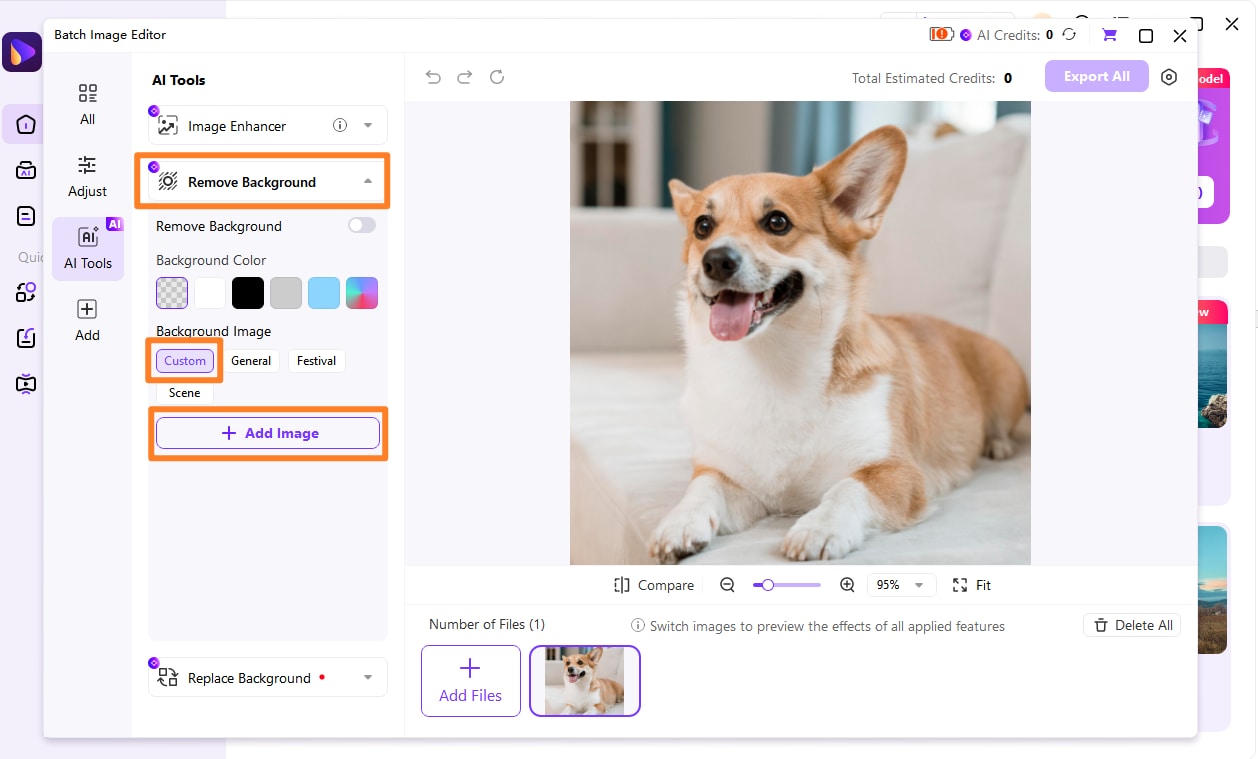
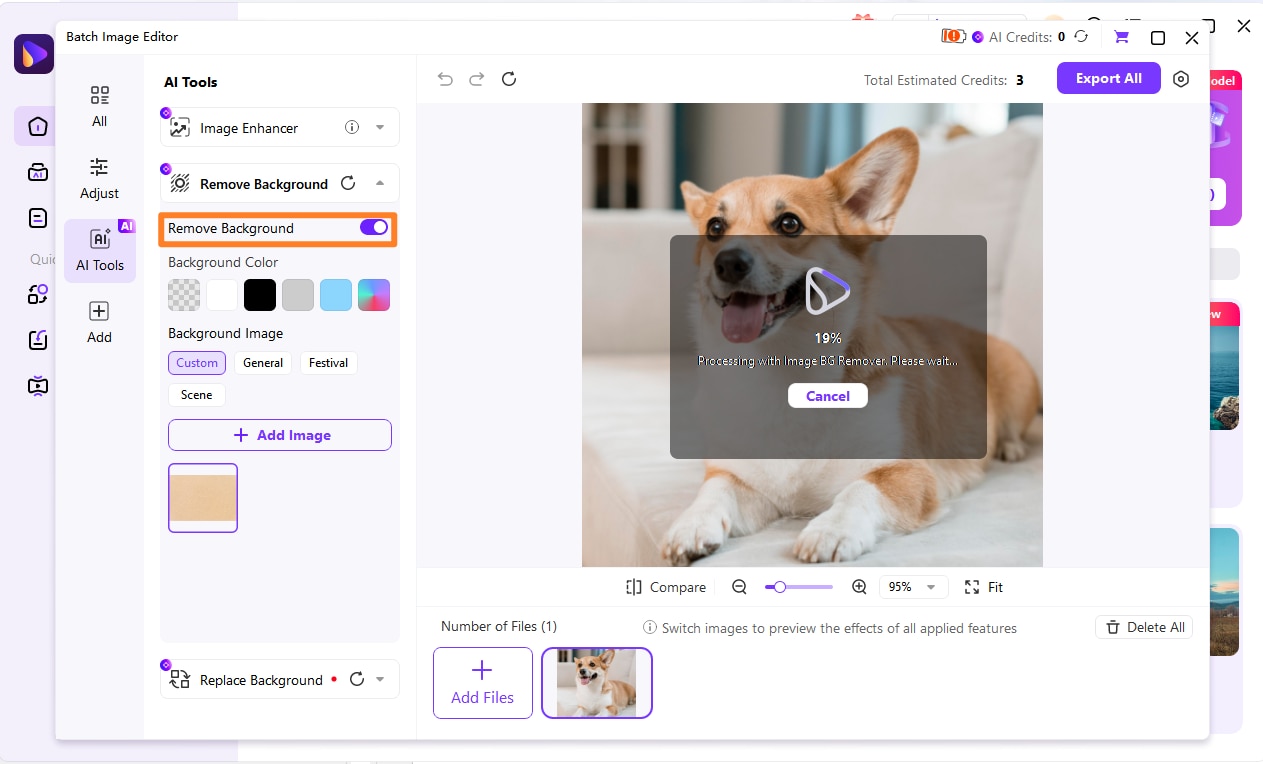
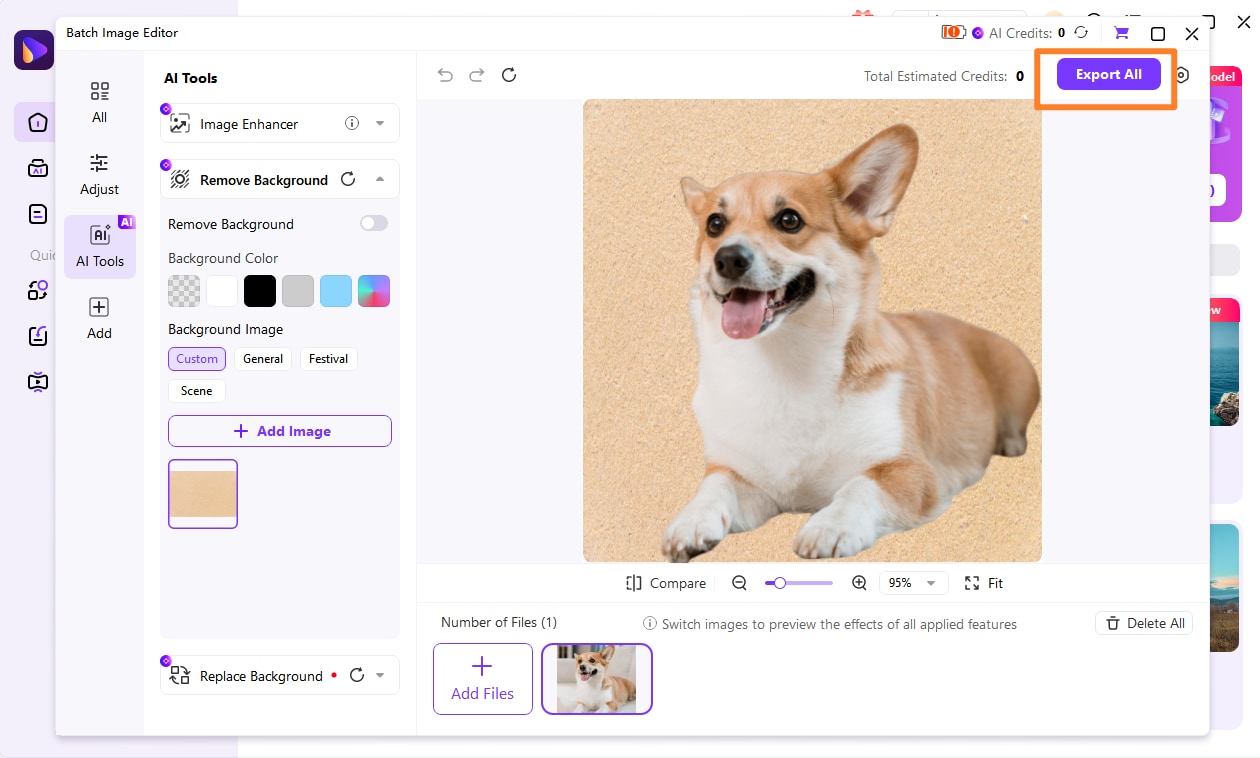
Part 6: How to Use UniConverter to Efficiently Replace Image Backgrounds
Sometimes, you don't need the full power of Photoshop. If you're dealing with batch background removal, or if you've found other tools produce blurry exports or jagged edges, UniConverter can be a surprisingly effective solution. It’s a great alternative when you need a quick, clean, and efficient way to handle basic image and video needs, without the bloat or learning curve. For me, it's become my go-to for tasks like converting video formats or quickly performing a background replacer from a series of product photos. It's ad-free, supports a ton of formats, uses GPU acceleration for speed, and keeps your image quality intact. It's a truly all-in-one solution for common media tasks, including a powerful background remover and video background changer capabilities.
Step 1: Open UniConverter and Choose Background Replacer
Step 2: Upload the Images
Step 3: Click to Preview Images
Step 4: Preview and Export Images

Photoshop Alternative for Video Editing?
Part 7: Conclusion
In conclusion, my Adobe Photoshop review confirms that it remains the gold standard for professional image editing, offering an unparalleled suite of tools for those who demand the absolute best in precision and creative control. However, its high subscription cost and steep learning curve mean it's not the ideal solution for everyone. For budget-conscious users or those with simpler needs, exploring feature-rich alternatives like GIMP or Affinity Photo can provide significant value. Beginners might find it more beneficial to start with simpler, more intuitive tools before diving into Photoshop's complexity. Ultimately, for hybrid needs, I often find myself combining Photoshop's power for complex projects with the efficiency of tools like UniConverter for quick edits and batch processing. The best choice truly depends on your specific workflow, budget, and skill level.
Part 8: FAQs
-
1. Is Adobe Photoshop worth the subscription cost?
It depends on your professional needs and frequency of use. If your livelihood depends on advanced image manipulation, then yes, it's a worthwhile investment. For casual users, probably not.
-
2. What are the best free alternatives to Adobe Photoshop?
GIMP, Photopea, and Krita are popular free options that offer a significant range of features, though they might have a steeper learning curve or different interfaces.
-
3. Can I use Adobe Photoshop on an iPad?
Yes, Adobe Photoshop Express and Photoshop for iPad offer mobile editing capabilities, though the iPad version of Photoshop is not as feature-rich as the desktop version.
-
4. How difficult is it to learn Adobe Photoshop?
Photoshop has a steep learning curve due to its vast feature set, but numerous tutorials and resources are available online to help you master it.
-
5. Does Adobe Photoshop offer video editing features?
While Photoshop has some basic video editing capabilities, such as timeline-based animation and simple cuts, Adobe Premiere Pro is designed for professional video editing and is a much more robust solution for video projects.
