
- Understanding Tools: Distinguish between adapters (physical), converters (format), and compressors (dynamics) for optimal audio.
- Core Functions: Adapters connect, converters transform, compressors refine audio; each crucial for sound management.
- Pros & Cons: Benefit from enhanced quality and compatibility, but beware of signal degradation from poor devices.
- User Focus: From musicians to casual listeners, tools cater to diverse needs, balancing quality and convenience.
- Software vs. Hardware: UniConverter offers versatile software solutions for conversion/compression, often surpassing hardware for digital tasks.
- Avoid Pitfalls: Guard against signal loss, compatibility issues, over-compression, and data security risks.
- UniConverter's Value: Efficiently compress and convert audio/video with UniConverter's intuitive interface and broad format support.
- Informed Decisions: Choose tools based on individual needs, budget, and technical expertise for superior audio experiences.
In this article
- Part 1: What is Adapter Audio Converter Audio Compressor?
- Part 2: Adapter Audio Converter Audio Compressor's Core Functions, Pros & Cons
- Part 3: Adapter Audio Converter Audio Compressor's Users and Use Cases
- Part 4: Adapter Audio Converter Audio Compressor vs. Competitors
- Part 5: Risks and Pitfalls to Avoid
- Part 6: How to Use UniConverter for Efficient Audio and Video Compression
- Part 7: Conclusion
- Part 8: FAQs
The Ultimate Guide to Audio Adapters, Converters, and Compressors: Choosing the Right Tool for Your Sound
When it comes to managing audio, whether for professional production, casual listening, or content creation, the right tools can make all the difference. I've spent countless hours navigating the complexities of audio equipment, and I understand the frustration of incompatible connectors, poor sound quality, and unwieldy file sizes. This Adapter Audio Converter Audio Compressor review aims to demystify these essential audio tools. We'll explore their core functions, compare leading solutions, and provide actionable insights to help you make informed decisions, ensuring your audio experience is always top-notch.
Part 1: What is Adapter Audio Converter Audio Compressor?
In the vast world of audio, understanding the distinct roles of adapters, converters, and compressors is crucial for anyone looking to optimize their sound experience. These tools, while often grouped, serve very different but equally important functions. An audio adapter primarily deals with physical connectivity, allowing you to bridge different types of audio jacks or ports. An audio converter, on the other hand, transforms the format of an audio signal, such as changing an analog signal to digital or vice versa, or converting between different digital file types. Lastly, an audio compressor is a dynamic processing tool that reduces the dynamic range of an audio signal, making the quiet parts louder and the loud parts quieter, resulting in a more consistent and impactful sound. My goal with this review is to cut through the jargon and provide clear, practical advice on how these tools can enhance your audio projects.
The Evolving Landscape of Audio Needs:
* Diverse Device Ecosystems: With an ever-growing array of audio devices, from vintage turntables to modern smartphones, compatibility issues are rampant.
* Quality vs. Convenience Trade-offs: Users constantly seek the perfect balance between high-fidelity audio and the convenience of digital formats and wireless solutions.
* Professional Demands: Audio professionals require precise control over sound dynamics, format flexibility, and robust connectivity for their intricate workflows.
Part 2: Adapter Audio Converter Audio Compressor's Core Functions, Pros & Cons
When I evaluate audio tools, I look for a blend of performance, reliability, and user-friendliness. Audio adapters, converters, and compressors each bring unique capabilities to the table, and understanding their core functions is key to leveraging them effectively.
Core Capabilities:
* Adapter: Facilitates physical connection between disparate audio interfaces (e.g., 3.5mm to 6.35mm, RCA to XLR).
* Converter: Translates audio signals between different formats (e.g., analog to digital, optical to coaxial, WAV to MP3).
* Compressor: Manages dynamic range, evening out volume fluctuations for a more consistent and impactful sound.
* Signal Integrity: High-quality devices maintain the purity of the audio signal during adaptation or conversion.
* Format Versatility: Converters should support a wide array of audio formats to meet diverse needs.
Pros:
* Enhanced Audio Quality and Fidelity: Good converters and compressors can significantly improve the perceived quality of your audio.
* Seamless Compatibility Across Devices: Adapters bridge the gap between different hardware, making your gear more versatile.
* Optimized File Size for Storage and Sharing: Converters can reduce file sizes without significant loss of quality, ideal for sharing.
Cons:
* Potential for Signal Degradation with Poor Quality Devices: Cheap adapters or converters can introduce noise or reduce fidelity.
* Learning Curve for Advanced Features: Mastering audio compression, in particular, requires some technical understanding.
Part 3: Adapter Audio Converter Audio Compressor's Users and Use Cases
From my experience, the need for audio adapters, converters, and compressors spans a wide spectrum of users, each with their own unique requirements. Understanding these scenarios helps in choosing the right tool.
Suitable for:
* Musicians and Producers: For recording, mixing, and mastering, ensuring high-quality input/output and dynamic control.
* Live Sound Engineers: Managing various audio sources and ensuring consistent sound levels during performances.
* Content Creators (Podcasters, YouTubers): Improving vocal clarity and overall audio professionalism.
* Audiophiles: Connecting diverse audio components and optimizing playback quality.
* Casual Listeners: Solving basic connectivity issues between devices.
Best-Case Scenario: Professional Audio Production and Live Performance
Imagine I'm setting up a recording studio. I need an audio interface (which acts as an audio converter from analog mics to digital for my computer), various adapters to connect different microphones and instruments to the interface, and powerful audio compressors within my Digital Audio Workstation (DAW) to sculpt the sound of vocals and instruments. This integrated approach ensures pristine audio capture, seamless connectivity, and professional-grade sound mixing, crucial for delivering a polished final product.
Limitation Scenario: Casual Listening with Basic Equipment
If I'm just trying to connect my old MP3 player to a new Bluetooth speaker, I might only need a simple 3.5mm to Bluetooth audio adapter. However, if I expect this adapter to magically improve the sound quality of low-bitrate MP3s or handle complex audio routing, I'll be disappointed. Basic equipment and simple adapters have their limits; they solve immediate connectivity problems but don't offer advanced audio processing or quality enhancement.
Part 4: Adapter Audio Converter Audio Compressor vs. Competitors
When I look at the market for audio tools, it's clear that while dedicated hardware solutions exist for adapters, converters, and compressors, software solutions like UniConverter offer a compelling alternative, especially for conversion and compression. Let's compare these options.
| Feature/Product | Adapter (Hardware) | Converter (Hardware) | Compressor (Hardware) | UniConverter (Software) | Audacity (Software) |
| Primary Function | Physical Connection | Format Change | Dynamic Range Control | All-in-one Conversion/Compression | Audio Editing/Compression |
| Use Case | Connecting different jacks | Changing file types | Leveling audio | Video/Audio Conversion, Compression | Basic Audio Editing, Recording |
| Complexity | Low | Medium | High | Low-Medium | Medium |
| Processing Speed | Instant | Real-time | Real-time | Fast (GPU Accelerated) | Moderate |
| Output Quality | Dependent on build | High-fidelity | Professional | High (Lossless options) | Good |
| Ease of Use | Plug-and-play | Setup required | Learning curve | Intuitive UI | Steep learning curve for beginners |
| Customer Support | Manufacturer | Manufacturer | Manufacturer | Excellent | Community Forums |
| Security | N/A | N/A | N/A | High (Offline processing) | High (Offline processing) |
Key Differentiators: Connectivity vs. Transformation vs. Refinement
Hardware adapters are indispensable for physical connectivity, offering immediate, low-latency solutions. Hardware converters provide dedicated, often high-fidelity, signal transformation. Hardware compressors give real-time, precise dynamic control, essential for live sound. However, for tasks like converting between digital formats or compressing audio files for storage and sharing, software like UniConverter excels. It offers a comprehensive, user-friendly platform that combines the functions of an audio converter and compressor, often with superior processing speed and a wider range of format support than many dedicated hardware units, all within a single application. Audacity is a powerful free tool but requires more technical know-how.
Part 5: Risks and Pitfalls to Avoid
In my journey through audio processing, I've encountered numerous pitfalls that can turn a promising project into a frustrating ordeal. It's crucial to be aware of these risks, especially when dealing with various audio tools.
Signal Loss and Noise Introduction
One of the most common issues I've faced, particularly with cheap audio adapters and audio converters, is the introduction of unwanted noise or a noticeable loss in signal quality. Low-quality shielding, poor connectors, or inadequate internal components can degrade the audio signal, resulting in hums, hisses, or a generally "thin" sound. Always invest in reputable brands, even for simple adapters, to preserve your audio's integrity.
Compatibility Issues with Legacy Systems
Trying to integrate modern digital audio equipment with older analog systems can be a headache. I've spent hours troubleshooting why a new digital-to-analog audio converter isn't recognized by an older amplifier, or why a specific digital format isn't supported. Always check the specifications and compatibility lists thoroughly before purchasing, especially when dealing with professional or niche equipment.
Over-Compression Leading to "Pumped" Sound
While an audio compressor is a powerful tool for leveling audio, over-compression is a common mistake that can ruin a track. I've heard countless recordings where the audio sounds "pumped" or "squashed," losing all its natural dynamics and impact. This happens when the compressor is set too aggressively, making the audio sound unnatural and fatiguing to listen to. It's a delicate balance that requires practice and a good ear.
Data Security Concerns with Cloud-Based Solutions
When using online audio converter or audio compressor tools, especially free ones, I always consider the data security implications. Uploading sensitive or proprietary audio files to unknown servers can pose a risk to intellectual property or privacy. While convenient, I generally prefer desktop applications like UniConverter for critical tasks, as they process files locally, keeping my data secure.
Hidden Costs of Premium Features
Many free or freemium audio tools lure you in with basic functionality, only to gate essential features behind paywalls. I've often found that crucial options like batch processing, high-quality output, or specific codec support are locked behind subscriptions or one-time purchases. Always read the fine print and understand what you're getting before committing to a platform, to avoid unexpected expenses down the line.
Part 6: How to Use UniConverter for Efficient Audio and Video Compression
For audio-heavy workflows, a smoother all-in-one tool can save a lot of time. That’s why I often use UniConverter when smaller utilities feel clunky, don’t support proper batch processing, or produce uneven results. It works especially well for audio compression, while also covering video compression in the same streamlined interface. I also like the broad format support, GPU acceleration, and the fact that it can help compress videos without quality loss as much as possible. Overall, it’s a practical choice for optimizing media files efficiently without dealing with ads, unstable output, or unnecessary complexity.
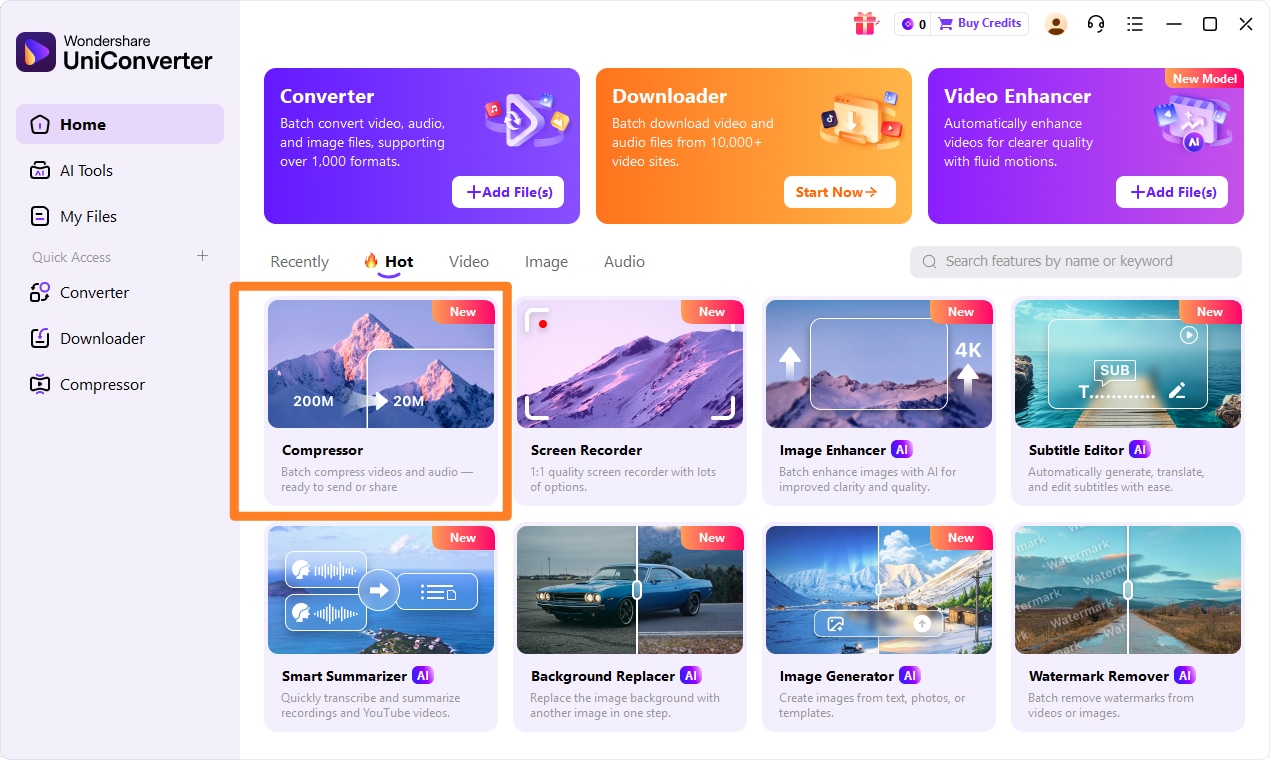
Step 1: Open UniConverter and Choose Compressor
First, I launch UniConverter and navigate to the "Compressor" section. This is where all my compression tasks begin.
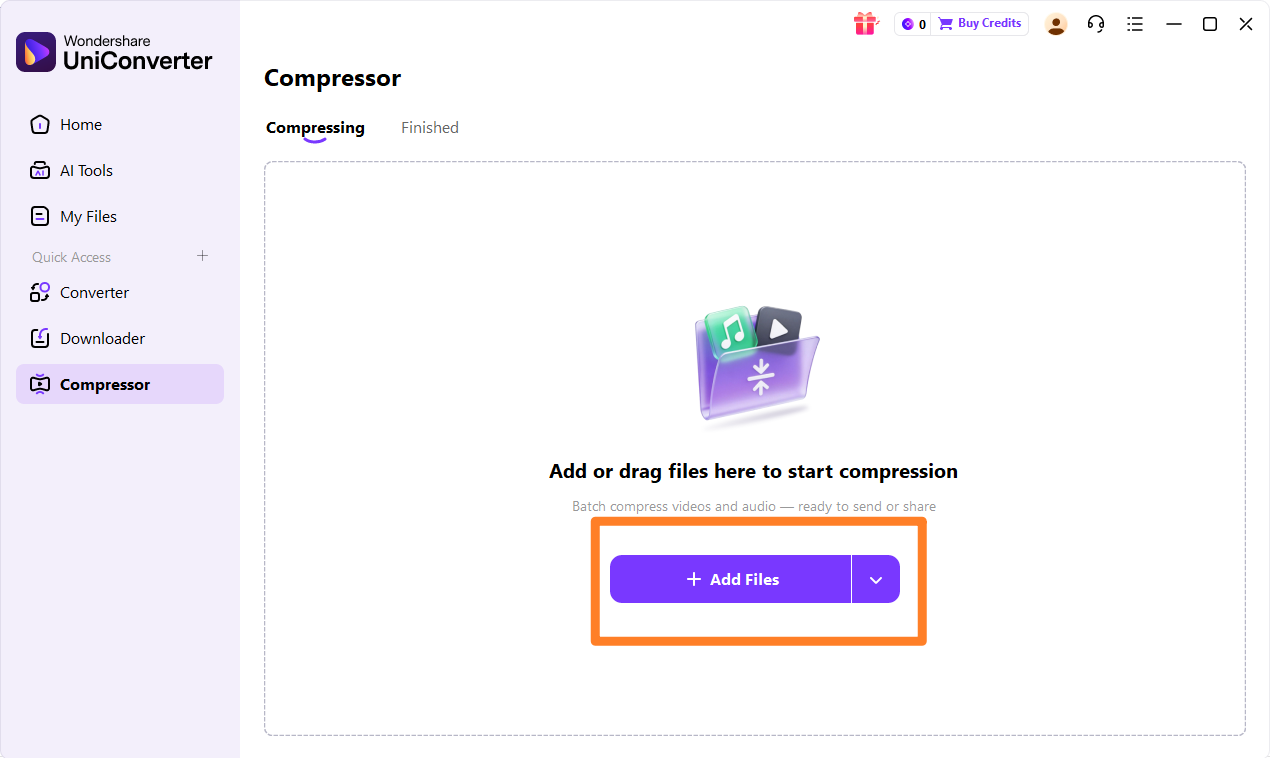
Step 2: Upload the Video, Audios or Images
Next, I simply drag and drop my audio files (or video/images) into the interface. UniConverter supports a vast array of formats, so I don't have to worry about compatibility.
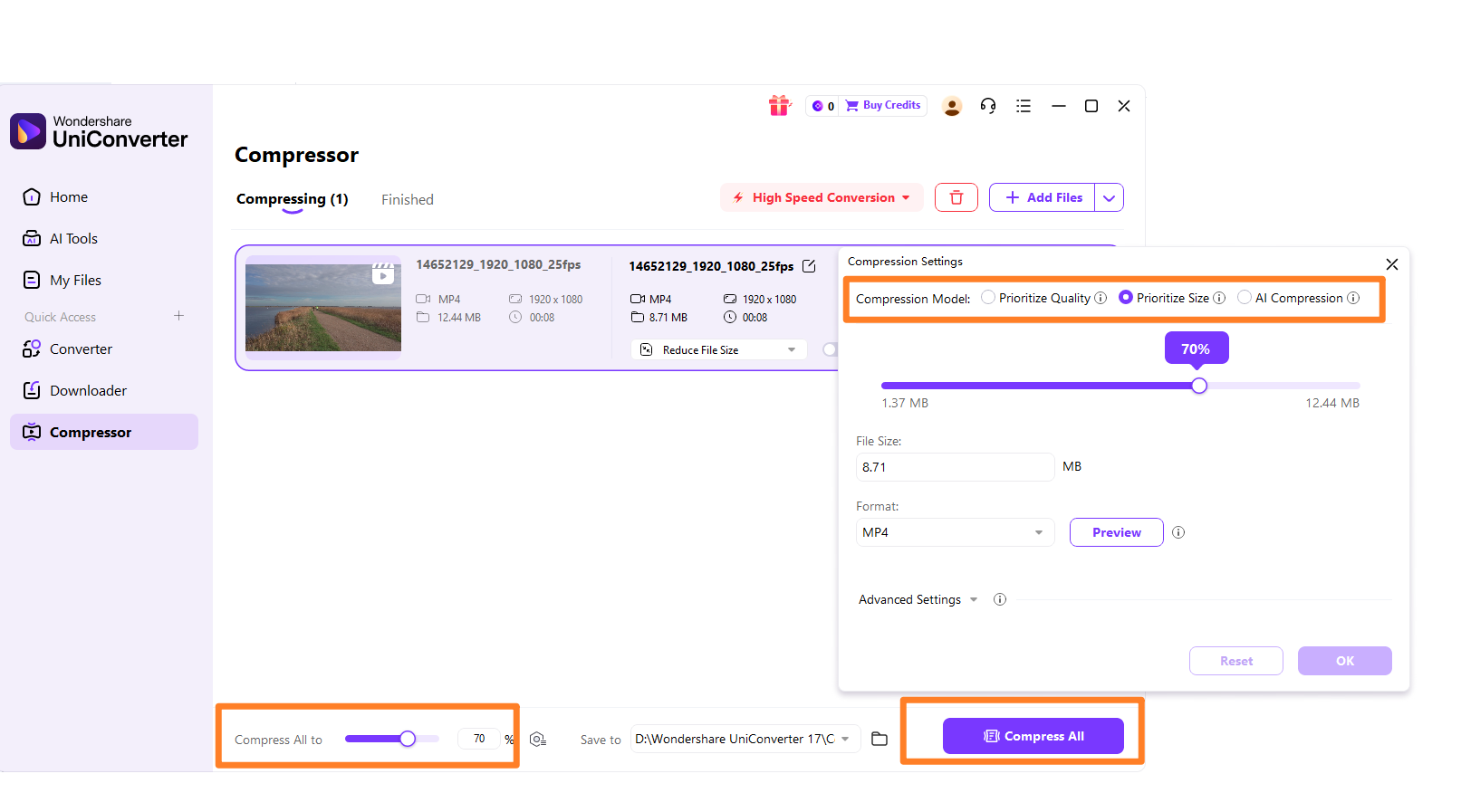
Step 3: Choose Required Parameters
I then select my desired output format and adjust the compression settings. UniConverter gives me precise control over quality and file size. For instance, I can easily convert MP4 to HTML5 or convert MP4 to MP3 if needed.
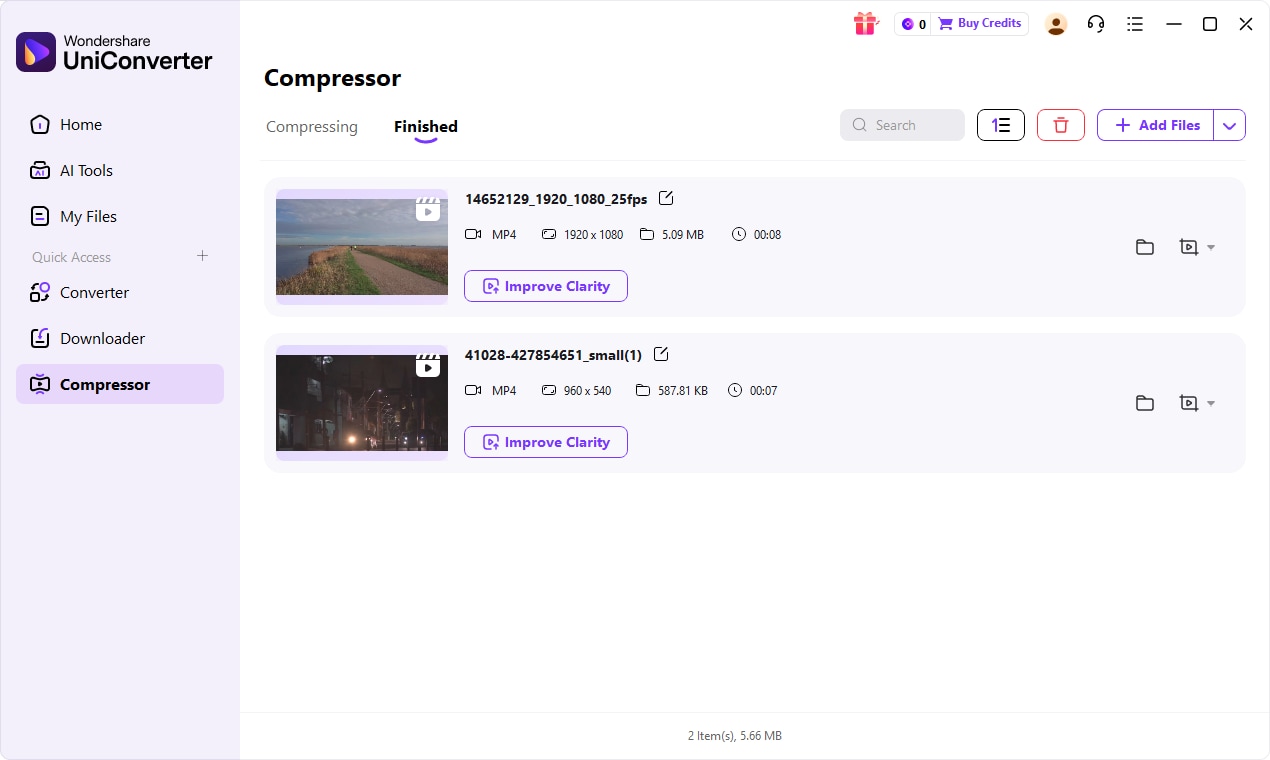
Step 4: Save the Compressed File
Finally, I click "Compress" and UniConverter quickly processes my files. Once done, I can save the optimized audio to my preferred location. This tool also allows me to convert video to live photo or even convert GIF to live photo with ease.

Need a Versatile Audio Converter Alternative?
Part 7: Conclusion
After delving into the world of Adapter Audio Converter Audio Compressor review, it's clear that each tool plays a distinct yet crucial role in shaping our audio experience. For the casual user, simplicity and plug-and-play solutions are paramount, focusing on basic connectivity and perhaps simple format changes for everyday listening. Audiophiles, on the other hand, prioritize fidelity and advanced features, demanding high-quality converters and precise compression tools to preserve every nuance of their sound. Professionals in audio production and live performance require robustness and comprehensive control, relying on high-end adapters, versatile converters, and sophisticated compressors to achieve their artistic vision. Content creators benefit most from efficiency and versatility, needing tools that can quickly convert and compress files for various platforms without compromising quality. Ultimately, the best choice depends on individual needs, budget, and technical expertise, but understanding these distinctions empowers me to make informed decisions that elevate my audio projects.
Part 8: FAQs
-
1. What is the difference between an audio adapter and an audio converter?
An audio adapter typically changes the physical connector type, allowing different cables or devices to connect (e.g., a 3.5mm jack to a 6.35mm jack). An audio converter, however, changes the format of the audio signal itself, such as transforming an analog signal to digital (ADC) or digital to analog (DAC), or converting between different digital file formats like WAV to MP3.
-
2. Can an audio compressor improve the quality of a poorly recorded audio file?
While a compressor can help even out volume levels and make a recording sound more consistent, it cannot fix fundamental issues like background noise, distortion, or poor microphone technique from a bad recording. It can only manage the dynamic range of the existing signal. For severe issues, you might need noise reduction software or re-recording.
-
3. Are wireless audio adapters as good as wired ones?
Wireless adapters offer convenience but can sometimes introduce latency or slight signal degradation due to compression or interference, especially compared to high-quality wired connections. For critical listening or professional applications where latency is unacceptable, wired connections are generally preferred. However, for casual listening, wireless adapters are often perfectly adequate.
-
4. What should I look for in an audio converter for professional use?
For professional use, I prioritize converters with high sample rates (e.g., 96kHz, 192kHz), high bit depths (e.g., 24-bit, 32-bit), low latency, and robust build quality. Features like multiple input/output options (XLR, TRS, S/PDIF, ADAT), phantom power for microphones, and reliable drivers are also crucial. UniConverter can also handle many professional conversion needs for digital file formats.
-
5. How does UniConverter handle different audio file formats?
UniConverter supports a wide range of audio formats, including popular ones like MP3, WAV, AAC, FLAC, and OGG, as well as less common types. It allows for seamless conversion between these formats, ensuring broad compatibility for playback on various devices or for specific project requirements. Its robust engine ensures that conversions are performed efficiently and with high fidelity.
